Live an Extra Decade with These Easy Healthy Habits

Live an Extra Decade with These Easy Healthy Habits

Here’s a sobering fact: cardiovascular disease and cancer are the two leading causes of death in Australia. Now, here’s a comforting notion: a new report suggests that five, very simple habits can lead to a longer life. These are:

  1. Not drinking too much alcohol
  2. Eating a healthy diet
  3. Exercising regularly
  4. Maintaining a healthy weight
  5. Never smoking

Researchers discovered that adults who regularly practice these five habits can extended their lifespan for as much as up to 14 years. Participants of the study were 82 per cent less likely to die from cardiovascular diseases and 65 percent less likely to die of cancer. The study, which involved 34 years of data, also noted that when maintaining these lifestyle habits at age 50, men could live an extra 12.2 years and for women, another 14 years.

The global average life expectancy is at 80. For Australians, we rank 14th in the list of countries with high life expectancy rates at 82.3 years. Monaco is at number one with 89.4 years and Japan second with 85.3 years.

One medical professional has cited that never smoking is the most important factor, which may be a wake-up call for many Australians. According to the Cancer Council Australia, smoking is the leading preventable cause of death and disease in the country.

Consuming alcoholic beverages is a line people must carefully walk. There are some benefits to the occasional glass of wine, some studies show. Aside from inducing a relaxing effect, moderate drinking can reduce the risk of death by heart attacks, clot-caused strokes and other cardiovascular issues. Red wine is one particular form of alcoholic beverage that fare better than most. Red wine has a high concentration of polyphenols that can reduce blood pressure.

The downside of drinking is going from moderate to binge drinking, which leads to inflammation of the liver, increased blood pressure, heart muscle damage, and several cancers, like breast, colon, mouth and liver.

Weight loss pinjarra hillsMeanwhile, a healthy diet, as defined by the World Health Organisation, is defined as a balanced intake of energy or calories. The total fat should not exceed 30 percent of the total energy intake to avoid unhealthy weight gain. One should also decrease saturated fats and cut out trans fats. Free sugars should be limited to less than 10 percent of the total energy intake. Salt intake should be less than 5 grams per day to prevent hypertension and heart disease.

The ideal body weight is entirely individual and depends on factors such as height, gender, age, build and degree of muscular development. The body mass index (BMI) has been commonly used to measure the “healthiness” of one’s weight, but the BMI system has its flaws. The 200-year-old system does not account for age, sex, bone structure and fat distribution.

As for exercise, the Australian Heart Foundation recommends half an hour of physical activity each day, which reduces the risk of heart disease by 35 per cent. Alternatively, 150 minutes a week of moderate exercise or 75 minutes of vigorous exercise is also recommended. For people who like to walk or who usually commute, 10,000 steps per hour a day or walking at a rate of 6 km/hour is also a great form of exercise.

Advantages of Being a Runner

Advantages of Being a Runner

Runners, especially those who run long distance, generally have two things in common: sinewy quads and a heavy duty set of lungs. But the perks of running does not stop there. There is so much more that long-distance running can do for you including for your mind and body.

In a recent study done in Finland, researchers found that long distance runners tend to be smarter. In this research, they studied the effects of resistance training on adult rat brains. They used rats with both genetically high and low response to aerobic training. All subjects underwent a 6 to 8 week aerobic training in which they were urged to complete HIIT or resistance training workouts and run.

Fitness Training KenmorePrior to doing the research, the scientists had already established the fact that aerobic exercises do have positive effects on the function and structure of the brain. However, they did not know whether HIIT or anaerobic resistance training had the same effect on the brain, specifically to the growth of neurons in it.

It has quite a similar effect to humans. Here are some of the amazing health perks enjoyed by those who run very, very far.

Good memory

Humans, mice and monkeys share a common peculiarity:  a protein that is identified with memory flows in the brain after a run, as stated in the research that was published in Cell Press.

Another odd discovery was unearthed by the University of North Florida when they found that running barefoot can also enhance your working memory. There is about 16% increase in working memory performance in barefoot runners after exercise. This was determined by their ability to remember instructions, directions and understanding information. It is believed that the extra “tactile and proprioceptive demands” stimulates your brain into tapping your working memory more forcefully, boosting its growth and function.

Strong knees

It’s a common notion that running can ultimately have a bad effect on your knees and joints. In some degree, this is true especially when running on high terrain, your knees may experience some pain due to excessive use. On the other hand, something good can actually be benefited from long distance running. According to a research at Baylor College of Medicine in Texas, regular running can actually put off late onset knee pain.

Longer life

It seems that running is particularly advantageous in fighting cancer, according to a research issued by the British Journal of Sports Medicine. In this research, they took 2,560 middle aged men as their subjects and observed their health over the span of 17 years. They have observed that the men who were more physically active were less likely to develop cancer. In fact, runners who run for at least 30 minutes per day are 50% less likely to acquire the disease.

Live happier

A long distance run can put you on a high. Anyone who’s been jogging regularly can attest to feeling much better after a not so pleasing day at work — once you’ve gotten past the first few kilometres.

If you’re still not convinced, there is further research done where it was discovered that jogging (as well as other aerobic exercises) changes the skeletal muscles and removes kynurenine (an amino acid that accumulates when you are stressed and depressed) from the blood. After a run, the body also releases serotonin, a neurotransmitter that improves your disposition.

The Benefits of Lemon Water

The Benefits of Lemon Water

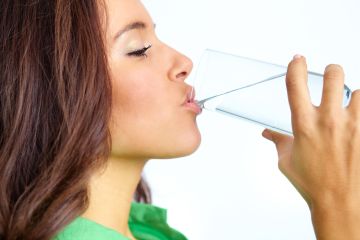
Quenching your thirst with your favourite soft drink or some other sweet and refreshing drink can be so tempting. When jump-starting your day, you also probably prefer to make a cup of coffee, and, for your mid-afternoon boost of energy, you might reach for an energy drink or a cup of tea. There’s one drink that can see to all your thirst-quenching and energy-boosting needs and it’s simply lemon-infused water.

What’s so great about lemon water? How could it possibly beat out your favourite drinks? For one, it has zero calories. We’re always encouraged to drink more water and infusing it with lemon can make it more flavoursome. Not to mention, lemon has a multitude of health benefits. Soon, you’ll be stocking up your fridge with bottles of lemon water when you learn just how invigorating, healing and therapeutic it can be.

Consuming water alone is one of the simplest and most helpful things we can do to maintain our health. Water is a key component in every system of the body and a requirement in all bodily functions. Water flushes out toxins, delivers nutrients and supports a healthy environment for the tissues in the ear, throat and nose. If you’ve ever experienced dehydration you know how harmful it can be and this is because the systems of the body are struggling to function properly without water. The ideal amount of water to drink is based on your body weight and be calculated as 0.03 litres of water per kilogram of body weight.

Meanwhile, lemon is one of the most nutritional fruits available, being low in fat and sodium while high in folate, potassium and vitamin C. Folate is especially beneficial to women and can prevent cognitive problems, cancer, some psychiatric illnesses and cardiovascular issues. Potassium is great for building protein and muscle, while vitamin C repairs parts of the body. Lemon also has antioxidant properties, which means it can block the negative effects of cancer-causing free radicals.

Weight loss Pinjarra HillsWhen combined together, lemon and water can pack some pretty powerful benefits including aiding digestion. Lemon water has also been found to prevent constipation and is considered a gentle early morning laxative. Lemon water can also keep your breath fresh and can help neutralise the odour after eating some particularly strong-smelling foods, like garlic, onions or fish. The citric acid in lemon also decreases the risk of calcium stones. Even your skin can gain positive effects from drinking lemon water since vitamin C has been found to reduce the risk of wrinkles and dry skin.


Lemon water does come with some adverse effects, though. The citric acid in lemon can erode tooth enamel. You can protect your teeth by drinking through a straw and rinsing your mouth afterwards. Citric acid can also cause heartburn. Furthermore, lemon juice can increase urine production.

If you want to make the perfect lemon water, use filtered water and fresh and organic lemons. You can drink it either hot or cold and you can also add mint, honey and ginger for even more flavour and health benefits.

How Alcohol Affects Your Fitness Goals

How Alcohol Affects Your Fitness Goals

You may have read how a daily glass of red wine or the occasional beer can have health benefits, with claims like lowering blood pressure, preventing heart attacks and other diseases. But, what is the truth? How does drinking alcohol truly impact our health?

Like any other food and drink you consume, alcohol has an effect on your metabolism. For anyone working on losing weight, pay close attention to this. Alcohol still has calories, but also has quite the high metabolic rate compared to most foods. This means you can essentially burn more calories while drinking. When you’re drinking alcohol, your body’s reaction is to process it first and to set other foods aside. Your body’s top priority is to remove the alcohol from your body and, unless you’re a champion binge drinker, it happens quickly.

Alcohol, however, is notorious for lowering one’s inhibitions. A couple of drinks in, you’re feeling loose and relaxed, but your ability to make rational decisions can be impaired. If it becomes an excessive habit, this leads to intoxication. You may also be familiar with morning after a rough night out and the temptation to stay in bed. The dehydration and lethargy aren’t exactly great motivators.

So, what’s the verdict on alcohol? It’s not bad, but what could be bad are your drinking habits. The negative effects of alcohol can be managed, but without control, the results can go from uncomfortable to devastating.

Weight Loss Pinjarra HillsWeight gain is one adverse effect. You’ve probably heard of the term “beer belly,” which is, to an extent, true. Any alcoholic beverage can cause weight gain if consumed in excess. Alcohol in relation to heart health is also vital. Moderate drinking can have great benefits, like lowering cholesterol–but only if paired with a healthy lifestyle.

Athletes should be wary of their alcohol consumption, since alcohol affects balance, hand-eye coordination and reaction time. Alcohol also depletes your body of fluids and electrolytes, which can then lead to fatigue. Additionally, muscle growth can be reduced since alcohol impairs protein synthesis, which is a crucial part of muscle development and maintenance. Alcohol also causes inflammation, which leads to joint pain and muscle aches.

If you’re trying to lose weight, alcohol can leave your body feeling hungry. The calories alcohol contains are not nutritious at all. There’s also the habit of having junk food munchies after a long night of drinking. Worse still, excessive alcohol consumption not only excretes important nutrients, but blocks them as well. Be sure to replenish your body after alcohol. Keep yourself hydrated and nourished–with actual healthy foods, so put down the greasy pizza.

Now, for some good news. You can still drink alcohol, but limit it to one drink a day. The healthiest types of alcoholic beverages are the sugar-free kind. If you’re a wine drinker, make sure to consume sulfate-free wine since sulfates can cause liver damage. Clear liquor, like vodka or gin, are also recommended. One nutritionist suggests adding fresh herbs like rosemary, mint, or basil for their anti-inflammatory benefits. Overall, moderation is key to a balanced and healthy lifestyle.

The Pros and Cons of Giving Up Dairy

The Pros and Cons of Giving Up Dairy

We’ve been told since childhood that a glass of milk is one of the most nutritious things we can take. “Got Milk?” is one of the most well-known ads in the world, with some of the biggest celebrity names endorsing you get your daily dose of milk. However, the debate on dairy has grown. Even for those who are not lactose intolerant, dairy can be a source of health problems, from acne to weight gain. Is dairy good or bad? What are the benefits of giving it up and should you go cold turkey? If you’re pro-dairy, what sources of dairy are the most beneficial?

Pros of giving up dairy

physical trainer near me

Weight loss

A review of over 20 studies on milk as an aid to losing weight has concluded that dairy has no beneficial effect when it comes to body weight and body fat loss. Another study tracked the dairy intake of 12,000 children and found that they gained more weight. So, ignore the strategic marketing that slimmer people stay fit by regularly drinking milk.

Improved digestion

About 4 percent of the Australian population are lactose intolerant and the number is rising. Their (and perhaps your own) intolerance to dairy is caused by the inability to digest lactose, which is a type of sugar in dairy. When not digested properly, dairy can cause diarrhea, nausea, cramps, bloating and gas.

Clearer skin

Dairy has been found to cause acne and eczema. Dairy has also been linked to flare-ups in the neck and jawline area. We can’t vouch for the benefits of bathing in milk for a more beautiful complexion, but to stop drinking it may just help.

Less congestion

If you’ve been advised to avoid milk and milk products while you have a cold, it’s for a good reason. Dairy enhances the body’s mucus production, leading to a more congested body system.

Less saturated fat

Dairy products like ice cream, cheese and heavy cream are rich in saturated fat. Too much saturated fat can result in weight gain, so if you’re trying to shed a few kilos, definitely lay off these fatty dairy products.

Lower risk of diabetes

Even the low-fat variety of milk and milk products can still be bad for you. If you’re trying to lose weight or are susceptible to diabetes, cut off low-fat dairy. Low-fat dairy manufacturers typically replace the missing fat with sugar.

Cons of giving up dairy

Reduced bone strength

Milk is good for the bones, right? We’re shown time and time again that our bones need calcium and that there’s no better source for that than dairy. While it’s true that milk is rich in such bone-strengthening nutrients, an excessive consumption of dairy can lead to undesirable results. Dairy also happens to be high in retinol (vitamin A), which can weaken bones if taken in high amounts.

Lost source of protein

There is some truth to the nutritional value of milk. Dairy contains all 20 amino acids and is high in protein. Certainly, you can add other sources of protein in your diet, but understand your protein intake from other sources may need to be increased if you decrease dairy consumption.

Lost source of calcium

Calcium is essential to bone health and blood pressure and milk is high in calcium content. It’s an easy and convenient source of calcium that you’ll have to replace with other foods. Calcium-rich foods you can reach for include leafy greens, beans, nuts, fruits and cereals.

Pumpkin Soup

Pumpkin Soup

Ingredients

500g (About 4 cups) butternut pumpkin diced
2 onions diced
1 large sliced carrot
2 teaspoons chicken stock powder
½ teaspoon nutmeg
Salt and pepper to taste

Pumpkin Soup recipe

Method

1. In a large saucepan cover all ingredients with water.
2. Bring to boil, then reduce heat, simmer covered for 20-25 minutes or until vegetables are soft when tested.
3. Puree soup in a food processor, add salt and pepper to taste.

Nutritional Information

Per Serving:
Calories:
Fat:
Carbohydrates:
Fibre:
Protein:


96 (402 kJ)
1.2 g
9.3 g
4.7 g
4.2 g

Daily Habits for Losing Weight

Daily Habits for Losing Weight

Losing weight seems like the most impossible task. Who has the time? Who has the money? Who has the willpower? You’d be surprised that making some small lifestyle changes can make a huge difference. And, you don’t even have to (completely) give up your favourite foods in the process. Sounds too good to be true? Read on and you’ll be shedding weight in no time.

Always start your day with a protein-packed meal

The idea that breakfast is the most important meal of the day holds true for most people. Try to carve some time to prepare and sit down for that first meal of the day. Your breakfast should be full of lean protein and rich in fibre. This will deliver you the energy you need to get the day going without slowing you down. Steer clear of sugary carbohydrates like bagels, cold cereal, and pastries. You can cook up something as simple as scrambled eggs on whole grain toast with a cup of fruit or Greek yoghurt on the side.

Put your knife and fork down after each bite

It can seem like such a trivial thing, but you’ll soon notice how putting your knife and fork down after each bite can make you feel fuller for a longer period of time. The recommended amount of time you should spend consuming a meal is 20 minutes. By setting down your knife and fork after each bite, you’re giving your stomach more time to process and allow the feeling of satiety to ‘kick in’.

Stay focused on your meal

Weight Loss Program KenmoreEating in front of a screen can seem like a great way to multitask or decompress after a long day, but this habit can actually have an effect on the way you eat. According to experts, keeping your mind busy while eating can block certain signals alerting you that you’re satiated or full. You’ve probably been staring at screens the whole day anyway, so why not take 20 minutes off to just enjoy the food you have in front of you?


Stay hydrated

Most nutritionists agree that we commonly mistake thirst for hunger. So, instead of reaching for that pack of crisps, try drinking a glass of water first. If you’re having trouble keeping track of staying hydrated, you can add flavour by making infused water with lemons, cucumbers, or berries.

Eat in

Ideally, you should be making and consuming most of your meals at home. It can be difficult to track the nutritional content of foods from restaurants. There may be more sugar, salt, or even just portions than you need.

Prep meals

If you’re having trouble figuring ways and time to cook meals at home, make a plan or else you’ll be reaching for a microwavable meal or ordering take-away.

Be mindful when eating out

If you are dining out, there are a few easy tips you should remember. Start with a salad since that can help you stay fuller for longer. Be decisive by being the first to order, since some studies have shown that a group will make similar choices to the first person to voice their order. You can even look up the menu online on your way to the restaurant and have a decision ready by the time you’re seated.

Don’t eat after 9 PM

High-energy foods like sugar and fat will not only make you gain weight but eating them late in the evening will make it harder for you to fall asleep. And, a lack of sleep has been proven to be detrimental to weight loss goals. Try to go to bed as early as possible to break that midnight snacking habit.

How To Treat Exercise Pain

How To Treat Exercise Pain

We always assume that “no pain, no gain” is the standard when it comes to achievement, particularly in terms of fitness. The more you sweat, the more your muscles ache, this means the more calories you’ve burned and the more toxins you’re eliminating, right? Not necessarily. A little post-workout soreness is common, especially if you’re a beginner or you’ve just introduced your body to a new form of exercise. However, experts agree that experiencing muscle soreness well after two days of your workout can be dangerous.

If you’re still hurting after two days, you might have delayed onset muscle soreness. During exercise, your muscle fibres get torn and, as the body heals them, this causes inflammation. That inflammation is the reason for that soreness making you feel like you can barely move. To treat delayed onset muscle soreness, the expert recommendation is to hydrate. You’ll also want to keep your blood flowing, which can you do by relaxing in a sauna or by exercising some more. More physical activity may be the last thing on your mind, but light exercises, such as swimming, yoga and working with foam rollers can ease your soreness.

Even if you’re a regular exerciser, perhaps you might be vulnerable to pain in certain areas of the body, like your joints. If you’re experiencing specific kinds of exercise pains in particular areas, there are some ways to treat them.

Knee pain

If you’re fond of running and doing squats and lunges, your knees are probably prone to more pain than most areas of your body. This can be caused by not having proper form and can be an effect of sitting all day. Physical therapists recommend a specific stretch to improve your knee strength. Sit on a chair, extend one leg out straight and lock your knee join as hard as possible for five seconds.

Back pain

personal training near meDeadlifts, cycling, and bent over rows can lead to pain in your spine and back muscles. When performing these exercises, it’s important to maintain the natural arch in the small of your back. To alleviate and prevent pain, you can try this before and after exercises: Create a hollow as large as you can in the small of your back and then round your lower back as much as you can, creating as much movement in the spine as you can. Repeat this for 15 to 20 times.

Hip pain

Running and jumping causes your hip joint to be flexed and can even cause mis-alignment. Re-align the joint before your exercise by doing this: Place a pillow on the floor and rest one knee on it. Take a wide step forward, like you’re doing a lunge. Move your hips and trunk forward until you feel a stretch in the hip flexors and/or groin area. Move in and out of the stretch slowly.

Shoulder pain

If pull-ups, push-ups and presses are making your shoulders feel tight, you need to practise internal and external shoulder rotations before each workout. This can be best accomplished using resistance bands.

Meal Prepping: Your Diet’s Missing Ingredient

Meal Prepping: Your Diet’s Missing Ingredient

Meal prepping is more than just arranging healthy foods in pretty containers worthy of Instagram. In fact, meal prepping could be a crucial process that your daily diet is missing. Even if you have a kitchen stocked with all the right foods and perhaps, you’re even exercising regularly, meal prepping is an extra step worth taking. Meal prepping also has a lot more benefits than having an organised meal plan.

Stay on that fitness track

It’s more difficult to give into temptation when you know there’s a whole healthy meal waiting for you at home. There’s no need to go through the drive-through of a fast-food restaurant or call eating a bag of chips in front of the TV a proper dinner because you’ve already prepared every meal you need for the coming days. It’s especially challenging to stick to whatever diet regime you have at the end of a long work day or when you’re all beat from a tough workout at the gym. But, with an easy meal you can re-heat at home waiting for you, it can make your commitment to your fitness goals much easier.

Save time and money

Eating out is fun, but when you’re on a particular diet or trying to save money, it’s not so good. You can bring your prepped meal to work or wherever you need to be during the day, so that keeps your wallet in check. Even better is when you’re shopping for groceries, you already have planned out your meals, so you know exactly what to get and how much of it. There’s less chance of those fruits and veggies going bad in your fridge now. And, it should go without saying that meal prepping will save you heaps of time throughout your week. Sure, you need to set aside some time on a Sunday for your meal prepping, but it should be all smooth sailing from there when all you need to do is reheat your meals. This should also save you time and energy on kitchen cleanup and constant trips to the supermarket.

exercise classes pinjarra hills

Mix it up

Looking at meal prep photos, you might think, ‘oh no, a whole week of just chicken breast and broccoli?’ Well, think again. You can, in fact, mix it up. What’s great about meal prepping is that it can be as flexible as you need it to be. This goes for both recipes and shelf life. Most recipes allow you to keep your meals in the freezer, so if you opt to eat out, then that’s completely fine. Also, meals don’t have to be bland and dull. You can make healthy versions of your favourites to eat at your convenience.

Learn something fun and new

Even if you think poorly of your skills in the kitchen, meal prepping might just surprise you as an enjoyable activity, especially once you realise the time-saving benefits. And even if you already have some culinary know-how, applying your skills to meal prepping can be a new challenge. No matter your cooking skills, you’ll be learning all sorts of recipes.

Sources:

https://www.shape.com/healthy-eating/meal-ideas/5-reasons-start-meal-prepping%E2%80%94now

https://greatist.com/eat/meal-prep-reasons

Serotonin and Endorphin-Releasing Foods to Boost Your Mood

Serotonin and Endorphin-Releasing Foods to Boost Your Mood

When we exercise, our body releases endorphins or what could be called “feel good” chemicals. Endorphins are commonly related to “runner’s high,” wherein runners reach a state of euphoria or bliss after undergoing extreme physical exertion. Runners will notice their pain tolerance is greater during this state and that’s because endorphins are the body’s natural painkillers. You can now probably understand how your most athletic friends manage to be so happy!

Another neurotransmitter is serotonin, which also affects mood and energy levels and is popularly called the “happy hormone.” Low serotonin is linked to depression, which can lead to poor sleep, memory, appetite, digestion and other physical and mental issues. Naturally and regularly releasing endorphins and serotonin is a great way to improve one’s mood and overall well-being. We can, however, also increase endorphins in our body through other ways, other than working out.

Aside from physical exercise, the body releases these neurotransmitters during meditation, childbirth, acupuncture, massage therapy, ultraviolet light (like sunshine!), and even laughter. Certain foods can also trigger endorphins and what better way to boost one’s mood than through food.

Hot peppers

The reason why peppers are so spicy is because of capsaicin. This compound is an irritant and causes a burning sensation, so the body releases endorphins to counteract the effects. Some extreme fans of spicy foods find that the endorphin-related euphoria to be worth the pain of eating the spiciest of peppers.

Dark chocolate

There’s a reason why chocolate is one of the most popular comfort foods. Chocolate, particularly the dark variety with more cocoa, has phenylethylamine. This compound sends our bodies buzzing and triggers the body to release endorphins.

Sunflower seeds

One sunflower seed alone is packed with wonderful nutrients like folic acid, soluble fibre, vitamin E and omega 3 and 6 fats. This powerful combination triggers the production of serotonin in the brain.

Egg yolks

Vitamin D is essential in producing serotonin and egg yolks are rich in vitamin D, along with protein, omega 3 and 6 fats and selenium. If you’re the type who isn’t getting enough sun, your body can absorb much needed vitamin D by eating egg yolks instead. Egg yolks also contain tryptophan, which aids the production of serotonin.

Avocado

As if avocado fans need another reason to eat their favourite fruit. Avocados can increase serotonin production as they have tryptophan along with B vitamins, vitamin E, and folic acid. Folic acid is an excellent aid for irritability, apathy, fatigue, and anxiety.

Brown Bread

People low on serotonin usually crave carbohydrates, like bread, pasta, or sugary foods. They can offer relief, but only temporary, as they both rapidly increase and decrease serotonin production. If the carb craving can’t be helped, reach for brown bread instead. Wholegrain bread has proteins and amino acids great for producing serotonin.

Alcohol

personal trainer fitness pinjarra hills

Light to moderate consumption of alcohol does indeed cause endorphins to be released in areas of the brain that produce feelings of pleasure and reward. This can explain how alcohol is addictive. Although, heavy drinking doesn’t stimulate endorphins, so it’s important to keep an eye on your consumption.

Sources: https://bebrainfit.com/increase-endorphins/

http://www.glamourmagazine.co.uk/gallery/top-15-foods-to-boost-your-mood

https://science.howstuffworks.com/life/endorphins2.htm

https://healthyliving.azcentral.com/natural-ways-increase-serotonin-endorphins-8991.html