Baked Chicken Parma with Sweet Potato Mash

Baked Chicken Parma with Sweet Potato Mash

Introduction

Try this healthy take on a classic chicken dish.

Serves: 4
Preparation Time: 20 minutes

Baked Chicken Parma with Sweet Potato Mash

Ingredients

400 g can no-added-salt diced tomatoes with basil, onion and garlic
2 small skinless chicken breasts, fat trimmed
20 basil leaves
270 g jar 97% fat free sundried tomatoes, drained
270 g jar char-grilled capsicum or roasted pepper strips, drained
2 cups baby spinach leaves
1 cup reduced-fat mozzarella cheese
800 g sweet potato, peeled and cut into 1 1/2cm dice
1/4 – 1/2 cup low-fat milk
basil leaves, extra, to serve
1/2 red chilli, chopped (optional)

Instructions

  1. Preheat oven to 200°C (180°C fan forced).
  2. Spread ¼ cup diced tomato in the base of a large ovenproof dish.
  3. Halve each chicken breast lengthways to form 4 thin breast steaks. Using a rolling pin, pound steaks between 2 sheets of plastic wrap to 5mm thickness. Arrange chicken on tomatoes in pan base; layer each with basil leaves, sundried tomatoes pieces and capsicum. Pile on spinach, spoon over remaining diced tomatoes and sprinkle with mozzarella. Bake for 20 minutes until chicken is cooked and melted cheese has browned.
  4. Place sweet potato in a steaming basket over a medium saucepan of boiling water; steam for 10-15 minutes or until tender. Discard water and return potato to the hot dry saucepan. Add ¼ cup milk and mash with a potato masher until smooth, adding additional milk if required for desired consistency.
  5. Divide sweet potato and chicken between serving plates, sprinkle with basil.
  6. Serve with fresh chilli for extra heat.

Variation: Sweet potato may be microwaved in a covered dish with 2 tablespoons water on HIGH (100%) for 8-10 minutes, stirring after 4 minutes

10 Health Myths Busted 

10 Health Myths Busted 

There are many myths in all media justifying the consumption of almost any food or drink. Let’s look at some of those myths. 

1. Red wine is good for your heart

There are definite pros and cons to drinking red wine. It is common knowledge that excessive alcohol consumption is associated with liver disease and for females, drinking alcohol increases risk of breast cancer. Yet, other studies have shown that the ethanol in any alcoholic beverage increases good cholesterol and reduces the incidence of blood clotting; thus reducing your risk of cardiovascular disease. However if you think that the glass of red wine is doing your health even more favours that other beverages then you can think again. Studies indicate that to get the added benefits of the additional antioxidants found in red (over other drinks) we would need to be consuming ~180 bottles a day!  

Recommendation: Stick to no more than 2 standard drinks per day with at least 2 alcohol free days each week. If you don’t drink, then don’t start and certainly don’t binge drink as this is providing more damage rather than benefit to your health. 

2. Dark chocolate is a rich source of antioxidants

Let’s get one thing straight, any health benefit of chocolate comes from the cocoa, so the darker the better. All the studies that look at the health benefits of chocolate have been looking at the consumption of very small amounts i.e. 1-3 small pieces per day. Studies show that chocolate may increase the health of your arteries, reduce blood pressure and improve your cholesterol ratios of good to bad. However, no matter what kind of chocolate you choose to consume; all of it is very high in kilojoules and does not contain the same array of vitamins, minerals and fibre as fruit & vegetables. 

Recommendation: Don’t replace fruit & vegetables with chocolate. Instead, if you like dark chocolate, include small amounts of it in your diet as a treat every now and then. If you don’t like or don’t eat dark chocolate then there is no need to start. 

3. One coffee a day is okay

Evidence suggests that coffee may reduce your risk of developing some cancers, boost your liver health and play a protective effect against stroke. On the other hand coffee has also been shown to raise the level of fat in your blood and the caffeine may have an effect on those who are sensitive to it, i.e. high blood pressure, heart burn, overactive liver, heart palpitations, insomnia and anxiety. 

Recommendation: If you don’t drink coffee there is no need to start. Otherwise limit your coffee intake to 1-2 per day and be mindful of the amount of caffeine that you are consuming not just in coffee but also other foods and drinks e.g. chocolate, cola products etc. 

10 Health Myths Busted

4. Exercising in the morning increases your risk of suffering a heart attack or stroke

The idea is that as the body is somewhat dehydrated (having not consumed any fluids over-night) the blood is thicker and so more likely to cause a clot, leading to a heart attack or stroke. This rumour has not been confirmed! 

Recommendation:The list of benefits from exercise (at any time of day) is very long. If there was a pill that could do everything that exercise could for your health, everyone would be prescribed it. The best way to get into exercise is to start slowly. Always check with your health practitioner to make sure you will be safe to start exercising. 

5. Carbohydrates are fattening

This is a myth that has in and out of vogue over the years. Your body needs carbohydrates. Carbohydrates are by far the best source of energy for your brain and is used as the primary source of energy for your muscles. The trick with eating carbohydrates is to make sure that you consume those that are wholegrain. The more processed (white) a carbohydrate based food is, the less nutritious and also the less filling that food will be, making it very easy to over eat.  

Recommendation: Replace white bread, pasta and rice with the wholemeal, whole grain or brown varieties. Another thing to remember is to watch your portion control. Having a bowl piled high with pasta and mince sauce is not going to do as much for your health but more for your waist line as having a smaller serve of pasta & sauce and a side salad. 

6. [Insert name of your latest fad diet] really works

Fad diets do not work. Through whatever means they simply reduce the amount of energy that you eat compared to the energy that you burn each day. This is the basic science behind any weight loss. Often fad diets restrict certain foods groups such as dairy or carbohydrates and they certainly don’t allow your body to perform optimally. 

Recommendation: Rather than constantly trying different diets, losing weight and then regaining it all (plus more) when you return to your normal eating patterns; why not make better dietary & lifestyle decisions everyday which will ensure your health is maximised, weight is manageable and you can have the occasional treat.

7. Margarine is better for you than Butter Here

This is a topic that is often debated. Butter is natural however it is high in saturated fat which may increase the incidence of heart disease and it is also high in salt helping to increase blood pressure. Margarine is manufactured using plant based hydrogenated oil creating a similar consistency to butter.  

Recommendation: Always choose butter over margarine, but use sparingly. An ideal alternative is to use spreads such as hummus, avocado, mustards or relishes instead. 

8. Fruit & vegetables won’t help prevent cancer

Fruit and vegetables are high in antioxidants and may or may not play a part in protecting against cancer. However, the impact that fruit & vegetable have on weight management as well as increasing daily fibre intake has a more that significant impact on the prevention of cancer. 

Recommendation: Keep eating your fruit & vegetables. Ideally, at least 2 serves of fruit & 5 serves of vegetables every day. 

9. Dairy foods are fattening

As part of many fad diets, dairy foods are often one of the first foods groups to get the chop. Studies, however, have shown that dairy foods are actually advantageous when trying to manage weight. Dairy foods contain protein and are generally classified as having a low glycaemic index (GI) (speed at which carbohydrates are digested and released into the blood after consumption). The lower the GI, the longer that feeling of being full will last after consuming a food. 

Recommendation: The combination of the protein and the low GI means that dairy foods are actually great at keeping you feeling fuller for longer, and thus can help reduce the amount of food you consume on a daily basis.

Additional note: Low-fat dairy will not have the same positive affect as regular fat dairy as it often has a higher level of sugar causing a higher GI and, therefore, not creating the same level of satiety. 

10. If I exercise and/or work out, I need to eat HEAPS of protein

An average adult required 0.8 grams of protein per kilogram of body weight per day. If you exercise strenuously, more protein may be consumed (up to 1.8 grams of protein per kilogram of body weight per day). The ideal level of protein for weight loss is approximately 1.05 grams of protein per kilogram of body weight per day. Note that any excess protein (or carbohydrate or fats for that matter) that you consume, will be stored as fat! 

Recommendation: Rather than loading up on protein and as a consequence missing out on other vital nutrients, try eating protein rich foods such as lean red meat, poultry, fish, legumes, lentils, eggs, nuts and tofu mixed with complex carbohydrates (such as wholegrain bread, rice or pasta) and plenty of vegetables. Snack on fruit, nuts and dairy products for a nutrients rich diet that is the best source of fuel for your active body. 

Apple and Pork Kebabs

Apple and Pork Kebabs

Introduction

Middle East specialty made with tender cuts of meat.

Serves: 8
Preparation Time: 30 minutes
Cooking Time: 15 minutes

Apple and Pork Kebabs recipe

Ingredients

500g lean and boneless cubed pork
1 tsp ground black pepper
1 tsp ground cumin
1 tsp mixed dried herbs
2 apples, peeled and cubed
3 potatoes, cooked and sliced
2 tbsp olive oil

Instructions

1. Combine cubed pork with pepper, herbs and spices. Mix to coat well. Stand for 10-15 minutes.
2. Thread peppered pork and apple cubes onto kebab skewers alternately.
3. Heat half the oil in a non-stick pan. Cook kebabs for 10 minutes, turning often.
4. Brush the remaining oil onto the cooked potato slices and grill until crispy.

Nutritional Information

Calories:
Total fat:
Cholesterol:
Sodium:
Carbohydrates:
Protein:
Potassium:
Calcium:
Iron:

247
9.9 g
49 mg
46 mg
20.5 g
19.4 g
66 mg
22 mg
1 mg

Tips/Handy Hints

Chicken can be a good substitute if you don’t want pork.

Is Water Fasting Healing or Dangerous?

Is Water Fasting Healing or Dangerous?

Water fasts have been practiced for centuries. People try it out for other reasons than weight loss, such as “detoxing,” in preparation for a medical procedure, or for religious or spiritual reasons. A general overview of water fasting benefits include promoting autophagy and lowering the risk of cancer, heart disease and diabetes.

Autophagy is the body’s way of breaking down and recycling old parts of cells. It’s a vital process and can help protect your body against cancer, Alzheimer’s and heart diseases. Some studies have even show that this can help extend lifespan.

Water fasting has been found to be especially beneficial for people who are seeking to lower their blood pressure. One research involved participants undergo a 14-day supervised water fast and 82 percent of them saw their blood pressure fall to healthy levels.

personal trainer near me

People with difficulty in insulin and leptin sensitivity may also be improved by a water fast. Insulin and leptin are key hormones in the body’s metabolism. Insulin aids in the storage of nutrients from the bloodstream and leptin helps the body to feel full. The more your body is sensitive to these hormones, the more you can experience their effects.

There are several risks to be aware of if you decide to water fast. If you’re considering a water fast to lose weight, you could indeed lose weight quickly because you’re restricting your calorie intake. However, you may be losing the wrong type of weight, like water weight or muscle mass, and can easily gain it back after your fast.

You also risk dehydration even if that seems contradictory. This is because our water intake comes from foods and not just drinking water. You could also suffer from orthostatic hypo-tension, which is a decrease in blood pressure and leads to dizziness or light-headedness. You could even risk worsening existing conditions, like gout, diabetes, chronic kidney diseases and heartburn.

Before you decide to go on a water fast, make sure you don’t take it on without medical supervision if you have gout, type 1 or type 2 diabetes, chronic kidney disease, or eating disorders. Older adults, pregnant women and children should also be cautious when attempting a water fast. Another pre-fast advice is to prepare your body for going off food for some time. You can do this by eating smaller portions at each meal three to four days before you begin your water fast.

A water fast typically is for 24 to 72 hours, during which you are not allowed to eat or drink anything besides water. You can consume 2 to 3 litres of water a day during your water fast. It’s advisable you refrain from driving and operating heavy machinery or anything that requires extra physical or mental exertion during this period of fasting. As you’re only consuming water, you may feel weak or dizzy. When the fast ends, ease yourself back into eating solid foods and refrain from devouring a huge meal. Start with smaller meals until you feel more comfortable.

Leg-Strengthening Exercises You Need to Try Out

Leg-Strengthening Exercises You Need to Try Out

Even if you’re not a runner or an athlete and even if it seems all you do the whole day is sit, there’s no reason why you shouldn’t consider strengthening your legs. Literally, our legs carry us through our daily lives, from walking up stairs to lugging around laundry baskets in the house. Leg-strengthening is also something you shouldn’t feel terrified about. There are some simple leg exercises you can squeeze into your busy schedule or add to your existing fitness routine.

In fact, these exercises require no equipment at all. Body weight exercises for the legs are extremely effective even without weights or other gym equipment. This type of exercise can even improve your posture and balance.  All you need is a chair and some motivation. In no time, you’ll not only feel your quads, hamstrings, glutes, calves and inner thighs feeling stronger, but looking great too.

Reverse Lunges with Knee Lifts

Get into starting position with your feet about shoulder-width apart. Step your left foot backwards, landing on the ball of your foot and bending both knees. You should be creating two 90-degree angles with both legs. Return to standing position by pushing through your right heel. Whilst returning to a standing position, thrust your left knee towards your chest.

Three-Way Lunge

This exercise will work your buttocks, quads, inner thighs and hamstrings. Stand with your feet hip-width apart and hands clasped in front of your chest. Lunge forward with your left leg, keeping your knee bent at 90 degrees. Return to starting position. Perform a lunge with your left leg out to the left side and your toes facing forward. Bend your left knee at 90 degrees. Return to starting position. Lunge backwards with your left leg. Repeat the three-way sequence with your right leg. Do 2 to 3 sets of 10 to 15 reps, alternating sides.

Plié Squat Calf Raises

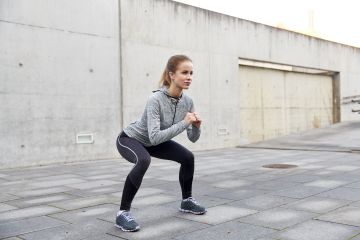
personal training near meStand with your feet apart, wider than shoulder-width, and toes turned out. Place your hands on your hips or in front of your chest. Do a squat until your thighs are parallel to the floor. While squatting, left both your heels off the ground and hold for two seconds. Lower your heels back down. Return to a standing position and then repeat 10 to 15 times.

High Knee Toe Taps

Face a chair or a box and place your hands on your hips. Raise and tap your left foot on the chair, then do the same with your right. Your motion should be quick as you alternate sides. Be sure to keep your back straight and chest lifted as you perform this exercise. This exercise will help with your balance, core strength and body control.

Pistol Squats

This particular type of squat will target your buttocks and quads. Stand with your feet hip-width apart. Place your arms in front of your chest with your elbows bent. Lift your right foot forward a few centimetres off the ground while keeping it flexed. Perform a squat as you raise your foot to hip level, bending your left knee at 90 degrees. To stay balanced, let your right heel hover close to the ground. Do 2 to 3 sets of 10 to 15 reps for each side. Note that this exercise is very difficult and should only be performed once you have performed lunges and two-legged squats to the point where you are comfortable to do this exercise.

Foods to Combat Sugar Cravings

Foods to Combat Sugar Cravings

Our bodies are more dependent on sugar than we think. Added sugars can be found in a variety of foods today. They can even be disguised under names like agave nectar, evaporated cane or turbinado. Sugar addiction has often been likened to drug addiction and essentially, they’re similar in the sense that building a dependence can be detrimental. Like drugs, sugar can spike the release of the neurotransmitter dopamine, which can bring about feelings of pleasure. The more sugar we take, the higher our tolerance becomes, and the more sugar we crave.

When cutting down or even completely cutting off your body from sugar, there are ways you can fight the cravings. This includes eating the right foods to fend off the hormonal changes throughout your body and ease those alarming mood swings.

personal training brookfield

Nuts

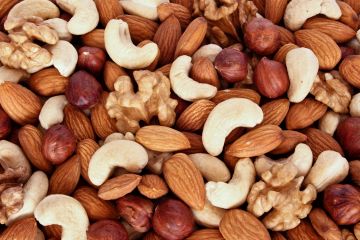
Fats, the healthy kinds, are your best bet to keep your taste-buds satisfied and stomach satiated when craving sugar. Nuts in particular have beneficial minerals and vitamins that can keep your blood sugar levels and blood pressure steady. Almonds and Brazil nuts are mildly sweet if you’re looking for that flavour.

Spices

If your taste-buds insist on getting that sweetness, shock them instead with flavoursome spices. If a recipe calls for sugar, switch it up with unsweetened cocoa powder, cinnamon or vanilla extract. When eating savoury dishes, throw in some extra garlic and onions or a dash of lime juice.

Dark chocolate

Pick up dark chocolate instead of your usual milk chocolate bar, which typically contains excessive amounts of sugar and fat. Make sure to choose the variety that has more than 70 percent cocoa. Cocoa is rich in polyphenols, which has antioxidant and anti-inflammatory properties.

Fermented foods

If you love snacking on yoghurt, kimchi, kombucha, pickles and sauerkraut, then keep eating them. Fermented foods are rich in beneficial bacteria, which can keep your gut clean and fight off diseases. A healthy gut can influence your cravings and appetite.

Dates

A sweet treat you can opt for are dates or the dried fruit of the date palm tree. They’re terrific sources of fibre, potassium and iron. Dates are also another good example of healthy, plant-based fats that can keep your cravings at bay. It’s a great substitute for sweetness and can even be added to a smoothie.

Sweet potatoes

Still craving a hint of sweetness in your meals? Sweet potatoes could be the answer. This healthy food is sweet and nutritious. It contains fibre as well as vitamin A and C and potassium.

Eggs

High-protein foods can also aid in regulating your appetite and cravings. This is due to the fact that a high-protein meal taken at the start of the day can suppress the hunger hormone ghrelin while increasing the hormones that make you feel full. Eggs are a good example of that. Incorporate them into your breakfast to keep you feeling full for a longer period of time.

Smoothies

Fruits are great sources of healthy, natural sugars and packing it into a smoothie with other healthy ingredients make for a great snack. It can even be a great substitute for dessert. Adding in yoghurt also makes you feel fuller for longer, which can fight off those cravings. Just be sure to use fresh whole fruits to get the healthy fibre and not fruit juice, which usually contains sugars.

A Real Anti-Ageing Workout

A Real Anti-Ageing Workout

A Real Anti-Ageing Workout

You’ve heard of anti-ageing skin treatments and diets that should make your physical appearance more vibrant and glowing, but did you know that exercising can do wonders for the anti-ageing process, too?

Our issues with ageing don’t just involve wrinkles or greying hair, the body also suffers wear and tear over time. As we become older, we’re prone to injury, diseases and all sorts of health conditions. Regular physical activity will not stop our hair from turning white or stop the crow’s feet around our eyes from creeping in, but exercise can provide us a whole slew of health benefits that will make the ageing process less stressful and scary. We can prevent frailty in particular by focusing on strength training. This means stronger bones and muscles.

Small group training near meWhat’s more, scientific studies have backed up the power of high-intensity interval training (HIIT) when it comes to benefiting our bodies on a cellular level. One study observed that a group who did HIIT exercises for 12 weeks gained lean muscle, improved aerobic capacity, and a 49 per cent increase in the cells ability to take in more oxygen and produce more energy (mitochondrial capacity). Elderly people in this group actually experienced a 64 per cent boost.


The cell’s mitochondrial capacity is incredibly important to our bodies as it ages. The stronger the mitochondrial capacity of a cell, the greater the body’s capacity to breathe in, transport and utilise oxygen–all of which are crucial when it comes to physical exercise and overall health.

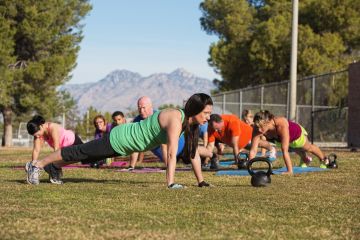
Below you’ll find some strength and aerobic exercises that can help keep you strong, healthy and physically able as you need to be at whatever age you are. All of these are classic, simple exercises that require no equipment. Do each exercise for 45 seconds, then rest for 15 seconds after each exercise. Repeat the circuit twice.

Push-ups

Push-ups are considered the ultimate upper-body workout. Lie down facing the floor with palms flat on the floor, level with your breast and tight to your body. Push up and try to keep your body rigid. Don’t lock your elbows and when you feel they’re about to, hold for a second, and then slowly lower yourself back down until your nose is nearly touching the floor.

Planks

Place your hands on top of an elevated stable surface, as chair or a step. Your arms should be straight and your hands should be directly below your shoulders and your feet hip-width apart. Your body should be in a straight line from your head to your ankles. Keep your buttocks and legs engaged.

Jump Squats

Stand with your feet slightly wider than hip-width apart. Bend your knees and let your buttocks sit back. Keep your chest upright. Explode into the air as high as you can. Be sure to land softly and go right into the next rep. Do as many jumps as possible in 45 seconds.

Mountain Climbers

This will tighten your core for strength, tight legs, and a healthy heart.  To do this, first get on the floor on your hands and knees. Push yourself up, hands apart, flat on the floor and below your shoulders. Balance your feet on your toes, but your legs don’t need to be completely stretched. Pull your left leg up, almost touching your chest. Put your left leg back and pull your right leg up. Imagine you’re climbing a horizontal slope–one leg up after the other.

Affirmations To Get You Through Weight Loss

Affirmations To Get You Through Weight Loss

Affirmations are positive messages you give yourself and are intended to help you achieve your goals. This technique can be effective for some people, particularly when it comes to the complex journey towards losing weight. This kind of positive reinforcement has been proven to dramatically influence behavior, according to research.

Daily affirmations can help in breaking habits and decreasing stress, which are huge factors when it comes to weight loss. Another obstacle is having no confidence or motivation, but these affirmations can allow you to focus on progress, build up determination and overcome any setbacks.

Weight Loss Pinjarra Hills

An important part of committing to a weight loss program is repetition. This is key in forming new habitual behaviour patterns. When you’re hitting a slump or tempted to overeat, the constant repetition of these affirmations will eventually become an automatic response to make more proactive choices.

“I accept myself, my body shape, and the beauty I hold.”

Self-acceptance takes a while to achieve, but is a fundamental part of any body transformation. Know and study your needs versus your wants, your strengths versus your weaknesses, and what you can and cannot control. Re-frame the negative talk and develop kindness towards yourself and your body.

“I appreciate that I’m making the decision to make a change.”

The first step is usually the most difficult to take, especially when it involves change. Not only will you be transforming your body, but your mind as well. Maybe it’s taken you a while to make this decision. Be grateful you’ve made it.

“I let go of any guilt around my eating habits.”

We’re quick to call some of our favourite foods “guilty pleasures.” While it starts out as a casual comment, this leads to feelings of shame surrounding eating. Be grateful for the food you have access to and can partake in.

“Dieting is about making healthy and satisfying food choices.”

Food nourishes not only the body, but the soul. The “healthier option” doesn’t have to be the boring option. Be diligent in reading nutritional facts as well as seeking out flavoursome meals that are good for your body.

“I say yes to taking care of myself.”

This journey to weight loss should not be about pain. It can become overwhelming–any sort of change is–and it’s tempting to resume old patterns that may not be good for you. Remind yourself that this is a form of self-love.

“I deserve better and will create better.”

You’re worth helping. You’re worth the sweat, blood, and tears.

“I can and I will.”

Even just thinking that the impossible can be possible can do wonders. Take it step by step. Specific visualizations can be helpful too. “I can walk 5,000 steps today and I will.”

“I make time.”

A quick way to put off exercise or healthy food preparation is making the excuse that you simply don’t have the time. Change that perspective to “I make the time.”

“I have the energy.”

“I’m too tired,” you tell yourself after a long day. You may find you’re more resilient than you know.

“When I come across a setback, it is a bump on the road, not the end of it.”

Everybody stumbles on the road to change. When all feels lost, look back at where you’ve come from. Even taking that first step was a huge achievement. Let that propel you onwards.

“I am grateful for everything my body does for me.”

At the end of the day, no matter the state of our bodies, we’re afforded so many abilities and privileges. It’s a momentous thing to be thankful for.

Beginner’s Guide to The Gym

Beginner’s Guide to The Gym

So, you’ve secured a gym membership. Congrats! You’re one step closer to your health and fitness goals. With so many options at your gym–classes, trainers, equipment–where to begin? Then, there’s gym etiquette. How long can you stay on the treadmill before everybody starts forming a queue behind you? More importantly, are you certain that you’re maximising your time and money spent at the gym? Before you turn around to exit and quit before you’ve even begun, you’ll want to sit down and read a few pointers on how to survive your first few days at the gym.

First Steps

personal trainer near meIf you’re a real beginner, but serious about starting a gym program, there are a few things you can try out first to test the waters. What you need to know is that there’s no need to go solo! Joining classes is the easiest way to see what you like and to build relationships with teachers and fellow gym-goers. You can also consult with a personal trainer, who can assess your wants, needs and goals. You can also get the best of both classes and small group fitness classes. Lastly, don’t be afraid to try out new equipment, no matter how cutting edge and complicated they may seem. This will help cut through the boredom. Just be sure to ask the trainers for a quick explanation so you don’t get injured or make a fool of yourself.

Schedule

How often should you go to the gym? Since you’re starting out, you shouldn’t expect to have the same mental and physical capacity as those who hit the gym six days out of the week. Aim for two to three times a week. It’s enough to make progress and keep up momentum. Of course, it doesn’t hurt to go to the gym more than two to three days a week if you have extra time but build up slowly.

Making Progress

Once you’ve settled into your routine, you might begin to worry about progressing. What you can do is slowly get out of your comfort zone. Gradually shift your goals each week/ month. You could accomplish this by increasing your reps or intensity for each of the exercises. You could even try running for longer distances or adding different types of exercise such as rowing, cycling, Pilates or yoga. You’ll also want to keep a record of your gym sessions. Log your workouts and note the day’s accomplishments. You can also make things more fun and interesting by establishing relationships at the gym and making workouts competitive. Join a team sport or simply hang around with stronger and more experienced gym-goers who have the same mindset as you.

Equipment Etiquette

Most gyms should have time limits for equipment and will be clearly posted for you to see. Be mindful of sticking to that time limit. If somebody is waiting to use the machine, you could even suggest to take turns after each set. And, when you’re on that particular machine, make sure you’re actually using it and not spending time on your phone or just resting, especially when there are other people waiting. When you’re done with whatever machine you’ve used, always wipe it down with a towel. Nobody wants to sit in another person’s sweat. When using weights, don’t leave them lying around after you have used them and return them to the rack where you got them. This is not only courteous, but weights left lying around can be a safety hazard.

Good Carbs versus Bad Carbs

Good Carbs versus Bad Carbs

If you’ve ever attempted to modify your diet in an attempt to lose weight, you’ve probably once deemed carbs as “the enemy.” They’re calorific, up our sugar levels, and do no good for one’s waistline. But carbohydrates are essential to our nutrition. A well-balanced meal has a proper amount of protein, fat, and carbs. Carbohydrates do indeed supply the body with glycogen, because this is how the body processes carbs. Glycogen is crucial since it is the energy our bodies need for everyday functions. So, if carbs are good for us, why all the fuss?

Consuming carbohydrates is not as simple as “eat less.” There are, in fact, “good” carbs and “bad” carbs, or kinds of carbohydrates that are either beneficial to our bodies or little to no nutritional value. Complex carbohydrates are considered “good” carbs. They’re called complex because they’re made up of complicated molecules which break down slowly. This means the supply of energy is steady. Compare that to simple carbohydrates or “bad” carbs, which deliver a quick rush of energy, but follow with an equally immediate drop. Simple carbohydrates are what can cause the spikes in blood sugar levels and unbearable mood swings.

Weight Loss Pinjarra HillsComplex carbohydrates are high in fibre and starch. They also contain much-needed vitamins, minerals, and antioxidants. Great and healthy sources of complex carbohydrates are whole grains, beans, quinoa, legumes, oats, brown rice, whole wheat bread, barley, couscous, wheat bran, seeds, nuts, dry peas, oatmeal, and avocados. The key component in these complex carbs is fibre. Ideally, our daily intake of fibre should be 25 to 35 grams. High-fibre diets can help with fat loss, digestion, cholesterol levels, and the risk of disease.

“Good” carbs generally have a low to moderate calorie count, meaning you can eat larger amounts of these carbs with lesser calories. Good carbs also have essential nutrient values and contain no refined sugars or refined grains. They’re typically low in sodium, saturated fat with little to no cholesterol and Trans fats.

“Bad” carbs are made up of a high number of calories, even if the portion is minimal. They’re also high in refined sugars, like fructose corn syrup. These refined sugars have been found to be linked to disease, obesity, and type 2 diabetes. Refined grains are also present in bad carbs. An example would be wheat flour made to look white in colour by stripping it of its nutrient value. Bad carbs have little to no fibre and are often rich in sodium, fats, cholesterol or Trans fats.

The sugars found in simple carbohydrates can be digested easily. Not all simple carbohydrates are bad. There are natural sources of simple carbohydrates, such as fruits, some vegetables, milk, and milk products. While being simple carbs, they still have essential nutrients, fibre and protein. The sources to avoid are processed and refined foods, such as soft drinks, white sugar, pastries, white bread, juices, ice cream, candy, and milk chocolate. Even food products labelled “low fat,” “sugar-free,” “fat-free,” or “low calorie” can still be sources of bad carbs. The general rule of thumb for packaged food items is: the fewer ingredients, the better.