What to Do on Rest Days from Exercise

What to Do on Rest Days from Exercise

Working out can be addictive for some people or training is simply ingrained in their lifestyle. Working up a sweat has that feel-good factor. It can even be meditative and a stress-reducing activity. But your body does need rest days for it to repair and to come back stronger. What does that mean, though? How much rest should you be getting and what kind?

Rest does not necessarily mean staying completely inactive. This wholly depends on the intensity of your usual workouts. How many times a week do you work out? How many hours do you spend at the gym in a day? If you’re just a beginner, you can rest every third day. While for regular exercisers, taking a once-per- week rest day is generally recommended. On your rest days, beginners can do light exercises, such as yoga or a light activity. For the more active, your rest days can include a low-intensity activity or some simple stretching. Just make sure you’re giving yourself a break from intense activity.

Here’s how you can make the most of your rest days without resorting to planting yourself firmly on the couch the whole day.

Tai chi

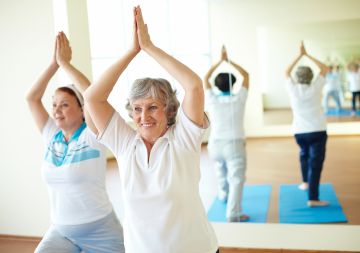
Tai chi is just as relaxing as it seems. The slow, graceful movements will put you in a meditative state while still working on your strength, balance and body awareness. Tai chi has even been proven to have pain-relieving benefits, making it the perfect low-impact workout for your weary body.

Yoga

If you decide to make yoga your rest day activity, be sure to choose a relaxing yoga class that doesn’t involve complex, physically demanding postures. Yin yoga is a good example of a soothing type of yoga class. Yin yoga involves extended periods of holding poses, allowing for the release of any tight muscles. This type of yoga is more about recovery than getting fired up.

Swimming

Swimming, in general, is just a fun way to decompress. While suspended in water, our bodies can feel weightless and this allows our joints to relax. Whether you simply want to float around or do a few laps, your body can experience benefits like improved circulation in the muscles, blood vessels and heart due to the water pressure.

Walking

An early morning or post-dinner evening walk can truly be pleasant on your days off. As long as you keep to a moderate pace, walking can be a great bit of cardio exercise. This also builds your endurance. 30 to 40 minutes of walking is recommended.

Cycling

Similar to walking, a relaxed ride on a bicycle, whether stationary or moving, can be beneficial. As long as you cycle at a low intensity, you can get a mild cardio workout without impacting your joints.

A good soak

short interval training near me

What’s better than a long soak in the tub for all those aching joints and muscles? Maybe add Epsom salts. The combination of magnesium and sulfur will leave your sore muscles feeling calm. Even better, Epsom salts have been found to help reduce bloating, and magnesium has been proven to lower cortisol.

A soothing massage

A disciplined exerciser like you deserves some physical therapy in the form an indulgent massage. Your muscles will be all sorted out, going right into full healing mode. Depending on your schedule and budget, you should take a regular massage. Be sure to tell your therapist you want benefits like release and relaxation.

Sources: https://www.self.com/story/everyday-athletes

https://www.shape.com/blogs/fit-list-jay-cardiello/how-properly-rest-your-workout

https://www.mindbodygreen.com/articles/what-should-you-actually-do-on-rest-days

https://www.womenshealthmag.com/fitness/a19972853/rest-day-tips/

Which Diet is Better for Weight Loss? Low-Carb or Low-Fat?

Which Diet is Better for Weight Loss? Low-Carb or Low-Fat?

Are you about to attempt a change in diet for the first time? There are so many to choose from out there, but perhaps the two most popular options are low-fat and low-carb. They’re both pretty straightforward: just eat less carbohydrates or eat less fats. Some people swear that carbs, which are considered the greatest enemy of dieters, actually helped them lose weight. While others claim that eating more fat has made them lose fat. So, whose advice should you follow? You can go with either, really.

In one recent study, researchers had 600 overweight and obese participants split into two groups to attempt these two diets. Those who took the low-fat route and those who tried the low-carb eating style all lost almost exactly the same amount of weight. Individual results varied, but the average weight loss was nearly identical.

Personal Fitness Trainer near me

Low-fat diets were once highly popular, compared to the current trend of high-fat diets or the ketogenic diet trend. The main complaints with a low-fat diet are that it doesn’t taste great and it’s less filling. Fats keep you fuller for longer, especially healthy fats. Plenty of them are some of our favourite sources of flavours too, such as cheese, nuts, fish, pork, eggs and milk. The theory behind the low-fat diet is that since fat contains nine calories per gram and carbohydrates contain four calories per gram, you can eat more by cutting back on fatty foods and eat more carbs instead.

Eating more carbs seems highly appealing. All that bread, rice and pasta? It still has some drawbacks though, especially if you’re eating highly-processed and refined sources of carbs, like white bread, soft drinks, pastries and sweets.

If you choose to try a low-carb diet, you’re likelier to lose weight faster, but it’s mostly water weight and there have been questions raised regarding long-term safety. Cutting back on carbs will result in your body taking from stores in your liver and muscle tissue. In the process, water is also mobilised, which accounts for rapid weight loss. The downside to this is, you can easily gain back the lost weight if you end your low-carb diet.

Carbs give us energy, specifically by boosting our blood sugar levels. An increase in blood sugar triggers the pancreas to produce more insulin, which will then rapidly decrease blood sugar and that leads to hunger. So, when you’re stuffing yourself with carbs, you’ll feel full faster, but it won’t last long.

The effectivity of a diet geared towards weight loss depends on a variety of factors

Furthermore, the most successful participants of the aforementioned low-carb vs. low-fat study credited their weight loss to their new relationship with food. They took greater steps in being more mindful with their choices, such as cooking at home more and opting for whole foods. Ultimately, not all diets work the same for everybody. It’s best to consult with a medical professional or a nutritionist if you are serious about going on some form of diet. It’s also important to keep both your expectations and goals realistic.

Sources:

http://time.com/5162731/low-fat-low-carb-diet-weight-loss/

https://www.health.harvard.edu/staying-healthy/low-fat-low-carb-or-mediterranean-which-diet-is-right-for-you

Why You Should Have a Small Snack After Every Workout

Why You Should Have a Small Snack After Every Workout

You’ve been spending hours working out in the gym, combining circuit training with high-intensity training. And you’ve been at it for months now. But why does it seem you’re not getting the results you want? Why aren’t you getting leaner and building more muscles? Maybe it’s your diet?

After a long, strenuous workout, what your muscles need is to repair and refuel so they can recover from all of the exertion they went through. And what do they need? REAL FOOD. Just make sure you know how to choose the right kind.

If you ask the experts, they would tell you that nutrition is the most important ingredient in achieving the body you want, even more important than the workout itself. You see, nutrition is part of the training program as opposed to what many people believe in. It’s not just an option nor an addition. It is, in fact, the most essential part.

So, what are the best post-workout snacks? When do you need it and when do you not? Find out here.

When You DON’T Need One

It’s not every time you stop exercising that you need to munch on something right away to aid your muscle repair. It varies on the kind of workout you’ve had and how long you’ve been at it for.

For example, you did just a casual walk for 30 minutes or did some light exercises that didn’t really elevate your heart rate, holding out until your next meal is perfectly fine. After these workouts, you don’t need to worry about snacking as often as possible.

When You DO Need One

Any intense activity like rowing, cycling, running, or a cross training workout would require some serious refuelling within 20 to 30 minutes post workout as that’s when the muscles get to absorb the glucose into the cells the most. Always keep something in your bag to snack on. An energy bar, a pice of fruit or some nuts can always come in handy for a quick fix.

If you’re one for morning workouts, a full breakfast is a must after your morning sweat routine. A good breakfast will keep you from unnecessary snacking and prevent you from binge eating on your next meal.

The Best Post-Workout Snacks

hiit cardio training moggill

There are two key macronutrients your body needs for your muscles to grow: protein and carbohydrates. Determining how much of these macronutrients you need will depend on how intense your workout has been. Nevertheless, you will still need carbohydrates to refuel glycogen, a polysaccharide of glucose that provides energy to your muscles so it could move. Your muscles are always going to need it whatever exercise you do.

Ideally, you try to eat 0.5 grams of carbohydrates per kilogram of your body weight within half an hour to an hour after exercising and add 1.5 grams per kilogram of your body weight within two hours. Best sources are bread, potatoes, rice, quinoa, oats and fruits. For protein, try to get 10 to 15 grams within one hour after exercise. The best sources of protein are eggs, milk, meat, seeds and nuts.

Some prefer to cut down on their calorie intake. If you’re planning to do so, stick to 500 for every meal and 200 for snacks. Take note that both protein and carbohydrates have four calories per gram. If you need something for grab-and-go, have a yogurt smoothie, some fruit or nuts.

Source: https://www.huffingtonpost.com/entry/should-i-eat-after-every-workout-experts-weigh-in_us_58050e1ee4b06f314afeb8a0

What Healthy Fats Should You Be Eating?

What Healthy Fats Should You Be Eating?

When we think of fats and fatty foods, we think of them as “the enemy.” Whether you’re trying to lose weight or just want a healthier lifestyle, the idea of “healthy” fats seems wrong. But any balanced diet requires the appropriate amount of fat as much as it needs protein and carbohydrates.

“Healthy fats” typically refer to monounsaturated and polyunsaturated fats. These fats are rich in omega-3 and omega-6 fatty acids, which are needed for brain function and cell growth. These fats also help with heart health and to lower cholesterol levels in the body. Fats can aid in the absorption of vitamins, and help you stay full and control your appetite, overall improving your weight loss.

Meanwhile, trans fats and saturated fat are usually considered bad, but the latter is often debated by experts. Trans fats are typically used in processed foods, like condiments, lollies, crisps, biscuits, and cakes. Trans fats can increase levels of bad cholesterol and while manufacturers are marketing more trans fat-free options, it’s good to be wary of them. Saturated fats are found in butter, full-fat dairy, cheese, and fried and processed foods. These fats also increase your cholesterol levels and can clog your arteries. However, saturated fats together with high-glycaemic carbohydrates have been found to be the culprit, and not so much the fat themselves.

So, where can you find all the good fats? Try incorporating these foods into your diet for your needed dose of fat. Experts recommended a 7 to 20 percent intake of fat in one’s daily diet. In a 2,000-calorie diet, that would be about 16 to 60 grams of fat.

Avocados

Not only are avocados rich in monounsaturated fats, but they have fibre and protein too. This fruit has proven to be versatile and can be used as a substitute for butter, mayonnaise, or sour cream. However, avocados contain a lot of calories, and a quarter or half an avocado a day is the recommended portion.

Coconut

If you’re not a fan of coconut, reconsider your stance. Coconut fat is high in saturated fat, specifically lauric acid, which fights bacteria, boost energy, and improve cholesterol levels.

Nuts

mobile personal training near me

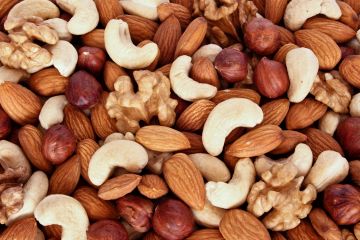
Make nuts like walnuts, almonds, pistachios, cashews, and pecans your new favourite snack. Almonds, in particular, contain plenty of vitamin E. Pistachios are rich in lutein and zeaxanthin, which are great for eye health. This category of foods also includes nut butters! Great for spreading on a piece of toast or as a dip. When purchasing nut butters, make sure to study the nutritional facts. Avoid those high in sugar and salt.

Salmon and Tuna

Salmon is one of the oily types of fish containing omega-3 fatty acids. Tuna, meanwhile, is also rich in such acids and can be easy to include in your diet, since you can go make all kinds of dishes from tuna, like steak, salad or sushi. However, it’s advisable to limit your salmon and tuna intake to 340 grams or two meals a week.

Eggs

Also, a terrific source of protein, eggs are packed with nutrients along with some healthy saturated fat. If you’re worried about your cholesterol, research has proven that moderate egg intake can, in fact, improve the health of your heart.

Lean grass-fed beef and pork

The difference lean, grass-fed meat makes is a fairly significant one. Compared to meats, grass-fed beef is higher in stearic acid and omega-3 fatty acid.

Full-fat yoghurt

Yoghurt has long been touted as a healthier option, but make sure you choose full-fat yoghurts, like Greek yoghurt. They contain less sugar, and more protein and fat. Also take care to avoid varieties with fruits mixed in, since they may have more sugar than needed. You can add in your own fresh fruits and nuts at home instead.

Sources: https://www.self.com/story/9-high-fat-foods-actually-good-for-you

https://www.eatthis.com/healthy-fats/

https://www.womenshealthmag.com/food/a19896629/how-much-fat-should-i-eat/

What to Do on Exercise Rest Days

What to Do on Exercise Rest Days

Working out can be addictive for some people or training is simply ingrained in their lifestyle. Working up a sweat has that feel-good factor. It can even be meditative and a stress-reducing activity. But your body does need rest days for it to repair and to come back stronger. What does that mean, though? How much rest should you be getting and what kind?

Rest does not necessarily mean staying completely inactive. This wholly depends on the intensity of your usual workouts. How many times a week do you work out? How many hours do you spend at the gym in a day? If you’re just a beginner, you can rest every third day. While for regular exercisers, taking a once-per- week rest day is recommended. On your rest days, beginners can do light exercises, such as yoga or a light activity. For the more active, your rest days can include a low-intensity activity or some simple stretching. Just make sure you’re giving yourself a break from intense activity.

Here’s how you can make the most of your rest days without resorting to planting yourself firmly on the couch the whole day.

Tai chi

Tai chi is just as relaxing as it seems. The slow, graceful movements will put you in a meditative state while still working on your strength, balance and body awareness. Tai chi has even been proven to have pain-relieving benefits, making it the perfect low-impact workout for your weary body.

Yoga

mobile personal training near me

If you decide to make yoga your rest day activity, be sure to choose a relaxing yoga class that doesn’t involve complex, physically demanding postures. Yin yoga is a good example of a soothing type of yoga class. Yin yoga involves extended periods of holding poses, allowing for the release of any tight muscles. This type of yoga is more about recovery than getting fired up.

Swimming

Swimming, in general, is just a fun way to decompress. While suspended in water, our bodies can feel weightless and this allows our joints to relax. Whether you simply want to float around or do a few laps, your body can experience benefits like improved circulation in the muscles, blood vessels and heart due to the water pressure.

Walking

An early morning or post-dinner evening walk can truly be pleasant on your days off. As long as you keep to a moderate pace, walking can be a great bit of cardio exercise. This also builds your endurance. 30 to 40 minutes of walking is recommended.

Cycling

Similar to walking, a relaxed ride on a bicycle, whether stationary or moving, can be beneficial. As long as you cycle at a low intensity, you can get a good bit of cardio workout without impacting your joints.

A good soak

What’s better than a long soak in the tub for all those aching joints and muscles? Maybe add Epsom salts. The combination of magnesium and sulfur will leave your sore muscles feeling calm. Even better, Epsom salts have been found to help reduce bloating, and magnesium has been proven to lower cortisol.

A soothing massage

A disciplined exerciser like you deserves some physical therapy in the form an indulgent massage. Your muscles will be all sorted out, going right into full healing mode. Depending on your schedule and budget, you should take a regular massage. Be sure to tell your therapist you want benefits like release and relaxation.

Sources: https://www.self.com/story/everyday-athletes

https://www.shape.com/blogs/fit-list-jay-cardiello/how-properly-rest-your-workout

https://www.mindbodygreen.com/articles/what-should-you-actually-do-on-rest-days

https://www.womenshealthmag.com/fitness/a19972853/rest-day-tips/
Fitness Workouts For Busy Mums

Fitness Workouts For Busy Mums

Packing lunch, scheduling pick-ups and appointments, shopping for groceries, getting to work on time and managing your office tasks–it seems like there’s hardly any time for a workout. There’s either too much to do in one day or you’re too exhausted by the end of the day to even roll out your yoga mat, much less drive to the gym. Staying physically active doesn’t need to be as staggering of a task as you might think. You don’t need to attend all sorts of classes or jump right on the latest fitness trend. You don’t even need to leave the comfort of your own home (or leave behind your kids who suddenly have a school project due the next morning).

The exercises listed here can be done in as little as 10 minutes. That’s right, that’s all the time you need in a day to stay on track towards your fitness goals. When pressed for time, what you want to focus on is quality, not quantity. For equipment, you can even use simple household items, like a towel or water bottles. You can also easily modify these workouts to fit your own needs, like if you’ve just had a baby. Even if your space is cramped and covered in toys, you could still manage to do these exercises. Just make sure you don’t accidentally step on some marbles.

Hamstring Curls

Get into starting position by lying on your back with your knees bent. Place your heels on a towel (on a slippery surface). Go into a bridge by lifting your hips up while squeezing your glutes. When you’ve fully extended your hips, extend your legs by pushing your heels as far out as you can. Avoid touching your glutes to the ground. Once your legs are fully extended, engage your hamstrings and drive your heels into the ground. Pull your heels back in towards your body as you lift up your hips up again. Do 15 reps.

Jump Lunge

Begin by standing tall and arms hanging by your sides. Take a step forward with your right leg and bend your knees so both legs are at 90 degrees. Be sure your right knee is aligned with your foot and your left knee is hovering slightly above the ground. Now that you’re in a lunge position, dynamically move up and jump into the air. As you are in the air, move your front leg back and back leg forward, before landing back down. Do 20 reps or 10 per leg. Alternatively, you can perform the lunge in place, i.e. without the jump.

Chair Squats

Take a stable chair and stand in front of it. Your feet should be hip-distance apart with toes pointing forward. Lean your chest slightly forward. Bend your knees and lower yourself to the chair, tapping your bottom on the chair, then standing up. Keep your weight evenly spread in your feet and knees in line with your feet. Do 10 to 12 reps.

Modified Push-Ups

high intensity fitness training in my area

Get on the ground on all fours and tuck your knees together. Walk your hands out and lift your feet. Place your hands slightly wider than shoulder-width. Make sure your head, back and hips are aligned. While keeping your core engaged, bend your elbows and lower your chest toward the floor, then press back up. Do 10 to 12 reps.

Sources:

https://www.active.com/fitness/articles/best-30-minute-workouts-for-busy-moms?page=1

The Best Exercises for Leg Day

The Best Exercises for Leg Day

Our leg muscles are the largest muscle group in the body, so it’s no wonder that even the most diligent fitness fans may dread leg day. Leg exercises are tough, sweaty and both burn and require a ton of energy. Your strength and stamina are put to the test while your heart and lungs will be pumping and heaving. After all of that, you can barely sit down or take a flight of stairs.

Cheap personal trainer near me

Another reason you might not be keen on leg day is that you could be making mistakes. One such mistake is focusing too much on machine and isolation exercises. These shouldn’t be treated as core exercises, but merely supplementary. Incorrect squats could also be another issue as well as doing too many reps. So, is there any way to get through leg day? If you stick to these exercises, you just might be able to do that.

First, a few things you need to know about your leg muscles. The muscles in our lower body are numerous and form an intricate system. But, for the everyday gym-goer, here are the muscles you need to remember:

Quadriceps

The quadriceps or quads are on the front of our thighs and function to extend our knee. Our quads get fired up when we squat, lunge or step upward. Our quads are essential to running, jumping and kicking.

Hamstrings

On the back of our thighs are our hamstrings, which help to flex (bend) at the knee. Our hamstrings are needed for rotating the leg and assisting our glutes to extend our hips and move our thigh backward.

Calf muscles

The two muscles on each lower leg allows us to point our foot or rise up onto our forefoot. Another muscle along our shin is responsible for flexing our foot.

Adductors

These muscles pull our thighs together and ensure stability.

Glutes

While not part of our legs, the gluteus maximus, medius and minimus are part of our hip. Our glutes work to extend our hips, move our legs away from the body and rotate our legs outward.

Ready for leg day? Try out these exercises.

Pistol Squat

  1. Get into starting position by standing up and holding your arms straight out in front at shoulder level.
  2. Raise your right leg off the floor and hold it there.
  3. Lower your body as far as you can while moving back your hips. Pause in this position before returning back to starting position.

Side Lunge

  1. For this exercise you will need a pair of dumbbells. Get into starting position by standing upright with hands on your sides.
  2. While engaging your core, take a large step to the right with your right foot. The left leg should be straight.
  3. Bend your right leg until the thigh is parallel to the floor. At the same time, lower the dumbbells to either side of your right leg.
  4. Reverse the movement and return to starting position. Repeat on the other side.

Step Up Convicts

  1. For this exercise you will need a knee-high platform and a pair of dumbbells. Get into starting position by standing upright facing the platform and lunge your right leg backwards.
  2. Push yourself back up to a standing position without touching the floor.
  3. Step your right leg onto the bench while bending your left knee and raising it as high as you can.
  4. Reverse the movement and return to starting position.

Jump Squat

  1. You will need a dumbbell or a sandbag for this exercise. Get into starting position by standing with your feet apart at hip-width and holding your dumbbell or sandbag in front of you.
  2. Bend your knees and push your hips back until your thighs are parallel to the floor. Be sure to keep your back flat.
  3. Jump up explosively and as high as you can.
  4. Softly land, returning to a squat. Repeat.

Sources: https://www.muscleforlife.com/best-legs-exercises/

https://www.womenshealthmag.com/fitness/a19982843/best-leg-exercises/

What Exactly is Gut Health and How Does it Affect You?

What Exactly is Gut Health and How Does it Affect You?

You’ve probably heard people talking about improving their gut health, but what does it mean and should you be concerned? Gut health, like the name suggests, is related to your digestive tract. You may also have heard people mention bacteria and this plays an important role in gut health as well. This is because there are 10 times more bacteria in your digestive tract than the rest of your body. Also, 60 to 80 percent of our immune system is located in our gut.

Medical practitioners widely believe that all systems–digestive, hormonal, respiratory, etc.–are connected. So, when your gut is unhealthy, it could cause problems and imbalances throughout the rest of your body.

The microbiome, a group of microorganisms (the bacteria), in your gut can even affect your cravings. The microbiome can also affect skin health, anxiety, food allergies, bloating, gas, and other issues. Having bacteria in your gut may sound bad, but it’s important to know there are both good and bad gut bacteria. Although, even the good ones can turn bad when medication, illness, stress, and lifestyle changes come into play.

So, how can you tell if you have good or bad gut health? Some experts agree that issues like food allergies, skin problems like eczema, diabetes, frequent infections, and digestive issues like bloating, gas and diarrhea are signs. Bad gut health can also affect anxiety, depression, mood swings, and poor memory or concentration.

Now, you’re thinking about how you can improve your gut health. One step is to take more probiotics, which are helpful bacteria for your gut. They can be found in fermented foods like yogurt and sauerkraut, and in drinks like kefir and kombucha. You can also take foods that have prebiotic effects, which feeds the microbes already in your body and in turn, improve your health. Bananas, whole grain wheat, garlic, leeks, and onions are some examples of food to up your prebiotics.

physical trainer in my area

Other recommended dietary changes include eating more fibre, which you can get from fruits like apples, bananas, oranges and strawberries; vegetables such as peas, broccoli, brussel sprouts or a baked potato; grains like barley, oats, brown rice, or whole-wheat pasta; nuts especially almonds, pistachios and pecans; and any sort of beans like black, kidney, or pinto.

Lifestyle changes to aim for include getting seven to nine hours of sleep and keeping your stress levels in check. Some nutritionists may also prescribe supplements such as zinc, omega-3 fish oils, and vitamins A, C and E.

While making these changes, there are some foods and habits you will need to get rid of as well. You might want to lessen your antibiotic intake and save it for when you’re actually sick or when your doctor prescribes them. You will also want to cut down on processed foods, which are high in fat and sugar. Combine that with a low fibre diet, it could become problematic. Eliminating inflammatory foods may be recommended, like alcohol, caffeine, dairy, corn, soy and eggs. It’s best to observe which of these foods work and don’t work for you.

Sources: https://www.mindbodygreen.com/0-14510/10-signs-you-have-an-unhealthy-gut-how-to-heal-it.html

The Health Benefits of Aloe Vera

The Health Benefits of Aloe Vera

You may have used aloe vera shampoo or slathered some on your skin to treat sunburns, but have you considered drinking aloe vera? Yes, that thick, gooey liquid is becoming a trendy health elixir. Aside from being an effective topical treatment, aloe vera does indeed have plenty of health benefits when consumed.

group fitness classes fig tree pocket

Before you’re about to drink aloe vera, though, take precaution, especially if you plan to harvest your own aloe vera. Aloe vera needs to be properly processed before it can be ingested. Decolourised whole leaf aloe vera is considered safe. This is purified and is low in anthraquinone, which has laxative properties and is sometimes considered toxic. When shopping for aloe vera juice, make sure it is labelled with: purified, decolourised, organic and safety tested. Some negative side effects of aloe vera that’s not decolourised are diarrhea, and cramping. Also, aloe vera has been found to have negative effects when taking certain medications, such as drugs considered a substrate of Cytochrome P450 3A4 and CYP2D6.

Cleansing

Aloe vera can rid the body of any toxic waste, thanks to its many amino acids, vitamins and minerals. Aside from cleansing your system, aloe vera’s anti-inflammatory properties can aid with discomfort and irritation in the body, like menopause. Reducing inflammation in the body also results in a stronger immune system. Furthermore, aloe vera can balance the alkalinity or pH levels of the body, which means your body will be less of a breeding ground for disease.

Hydration

Aloe vera gets its gooey texture from being so dense with water. We all know how staying hydrated is important and aloe vera can help you to stay hydrated aside from drinking water. Not only does it provide you with extra fluids, but also a good amount of essential vitamins and minerals.

Nutrition

Aloe vera is rich in nutrients, making it a great dietary supplement. Aloe vera contains vitamins B, C and E, folic acid, calcium, copper, chromium, sodium, selenium, magnesium, potassium, manganese, and zinc. Also, if you’re a vegetarian or a vegan looking for a natural source of vitamin B-12, then look no further than aloe vera.

Digestion

Drinking aloe vera can help with a number of digestive issues, including constipation and heartburn. The anthraquinone in aloe vera is a natural laxative and, in the proper amounts, can help you gently and normally pass stool. Aloe vera also increases the water content in your intestines, which helps the process. On the other hand, aloe vera can also treat irritable bowel syndrome (IBS), which is also a result of inflamed intestines. Aloe vera can soothe your heartburn attacks as well. It has even been proven to fight gastric ulcers and prevent them from becoming larger.

Skin and hair

Aloe vera has a number of effective beauty uses. Its soothing, detoxifying and anti-inflammatory properties can also benefit people coping with acne, rosacea, psoriasis and dermatitis. It’s also popular as a treatment for sunburns, not just it’s the cooling effect, but that it can neutralise ultraviolet (UV) radiation, repair the skin from existing UV damage, and help prevent fine lines and wrinkles.

Sources: https://www.shape.com/weight-loss/food-weight-loss/ask-diet-doctor-truth-about-aloe-vera-juice

https://www.healthline.com/health/food-nutrition/aloe-vera-juice-benefits#4

Weight Loss Workout Mistakes To Avoid

When it comes to weight loss, some people just have a harder time grasping what works for them. Perhaps you’ve tried every fitness routine out there but still can’t quite achieve your goals. This can be very frustrating and confusing, but making your weight loss routine an effective one might require a review. There are common mistakes and misconceptions people make when on a new workout plan. If yours isn’t yielding any results, check to see which of these you might be guilty of and learn how you can fix them.

Too much cardio

How much cardio is too much cardio? Running, boxing, swimming and cycling are some of the most popular cardio workouts and they’re easy to pick up for beginners. However, while these types of exercises are real fat-burners, strength training can benefit your weight loss plan too. What strength training does is stimulate muscle growth, raising your metabolic rate and resulting in burning fat at a more rapid pace. Your fitness schedule should have a good balance of aerobic, strength, and flexibility training. Not only will these make you lose weight, but will keep your whole body fit and healthy. If you’re pressed for time, high-intensity interval training (HIIT) or circuit training that combines strength and cardio could work for you. Just make sure to finish with some stretching for flexibility training as well to help avoid injury.

Too much of the same thing

fitness classes brookfield

If you want to lose weight fast, you should do double time at the gym, right? Not really. There’s nothing wrong with working out every day, but the same routine every day for the whole week could be a block more than a stepping stone to reaching your goal. What you could end up with is a workout rut or fitness plateau, which is what many exercisers dread. What you can do is develop your workout intensity and duration over time. If your preferred form of exercise is walking 40 minutes a day, add 20 minutes to that after two or three days. HIIT is also a great way to add variety to your routine. Remember to take a break as well. Let your muscles repair or else you’ll be faced with injury, insomnia, irritability and other serious health conditions.

Eating more because you exercise more

After a particularly tough workout session, it seems fair to grab a greasy burger for dinner or treat yourself to a giant bowl of pasta. While your body may be adjusting to your routine, you can’t stick to that reason all the time. Slimming down means more than just exercise. You should be just as serious about a balanced diet as you are with maintaining an effective fitness routine. What you could end up with is replacing the calories you eat with all the calories you just burned, rendering your weight loss workout useless. To make sure you’re eating enough and eating right, consult a professional trainer or get a metabolic test to figure out how to properly increase your food intake to go with your new workout plan.