Weight Lifting Tips for Beginners

Weight Lifting Tips for Beginners

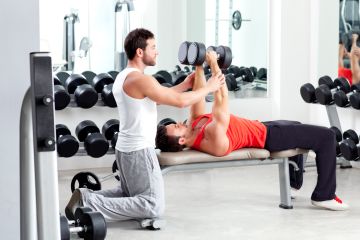
Weight training for building strength by lifting weights is one effective workout. Some people, especially those who are gearing towards weight loss, try to avoid weight-lifting since it supposedly will build up your muscles rather than shedding fat. This is not entirely true! Weight-lifting can burn an incredible amount of calories, plus, who doesn’t want to build a bit of their strength while they’re at it? Aside from losing weight, you’ll also do double duty by keeping both slim and toned. You can get the kind of results you simply can’t expect from working out on a treadmill. Another benefit is that resistance training through weight-lifting will increase your body’s metabolic rate, which means you’ll burn more calories even after you’re done working out.
strength training workouts pullenvale

Weight-lifting can seem overwhelming if you’re new to it. So many machines and kinds of weights! Which one do you use and how much weight do you need? How often should you do weight training? For beginners, it’s good to know a few pointers to maximise your workout while keeping safe and staying motivated.

Warm up

A warm-up consisting of similar movements to your workout (although at a lower intensity) is best to prepare for your weights workout.

Start small

There’s no need to impress all the pro weightlifters around you by heading straight for the huge barbells. What you need to worry about more is proper technique and form. You can even start with no weights! When choosing weights, pick a light weight 2kg to 7kg and begin with 10 to 15 reps. A good indication of whether you’re using the correct weights is if your muscles are feeling just about exhausted at 12-15 reps.

Find your balance

Don’t risk getting injuries and learn the correct approaches and form. Balance, in particular, is a key technique. In most cases, one side of the body is stronger than the other, but make sure to spread your workout equally. One way to ensure this is the use of isolated moves, such as single-leg squats. There are also specific techniques when it comes to position, grip and motion, and the best way to learn this to have a trainer around. Alternatively, you can look up exact tips online.

Pick up the pace

When beginning your routine, repeat the same moves two to three times a week. You want to slowly level up, increasing weights and reps as you move forward. You don’t want to hit a workout slump, though, because your muscles will eventually resist the same training it’s been used to for so long.

Rest

Any kind of workout will “break” your muscles, but especially resistance training. Little tears form in your muscle fibres, so they need time to heal. The most effective way to accomplish that is by giving your body a break. Allow yourself 48 to 72 hours of rest in between workouts. You can also aid the healing process by staying hydrated and eating plenty of muscle-repairing protein and energy-boosting carbs.

The Truth About Detox Teas

The Truth About Detox Teas

Detox teas, fit teas, cleansing teas–if you have Instagram or Facebook, you’ve probably seen it peddled all over your feed. Everybody from social media models to big name celebrities have endorsed the so-called miracles of these teas, that they’re the key to good health, weight loss and looking slim. But what are the facts behind these supposedly sensational drinks? How effective are they? Could they be too good to be true?

The drink tea itself does have many health benefits and it’s evidenced by how it’s been a staple beverage in various cultures for centuries. Among the positive effects of regularly drinking tea are increasing your energy, boosting your mood, lowering blood pressure, and decreasing the risk of stroke and heart disease. Although, tea has been treated as more of a supplement than a cure-all. It cannot be a singular remedy for ailments, and, according to experts, a quick fix to rid the body of toxins.

These herbal teas are marketed to have purifying properties. Indeed, green and black teas are high in antioxidants, which aids in the body’s natural cleansing process. However, there have been no hard or science-backed evidence to the claims held by these detox teas. One common ingredient found in these teas is senna. This herbal laxative contains sennosides, which are chemicals with the ability to irritate the lining of the bowels. Senna is typically used in treating constipation.

mobile personal trainer belbowrie

People who swear by these detox teas probably saw considerable results in weight loss and this is because of the tea’s laxative properties. Although, what the body may be shedding is water weight and not so much actual fats. There’s the appearance and feeling of weight loss, but it’s easy to gain back this weight when the cleanse has ceased.

Regularly taking laxatives, especially when not prescribed, will yield you no health benefits at all. Food will quickly pass through your intestine and your body will not have enough time to absorb all the energy and nutrients it needs. Aside from extra trips to the bathroom, drinking detox teas can result in abdominal pain, cramps, bloating, gas, nausea, diarrhea, dehydration, and nutritional deficiencies. Furthermore, dependence on laxative teas can lead to eating disorders.

Overall, the research on detox teas is lacking for experts and can do more harm than good. But that doesn’t mean the idea of a “teatox” should be abandoned. It should, at least, be modified according to your needs and not be utilised as a meal replacement. Teas can certainly help keep your body “clean” and aid in weight loss, so long as you pair it with healthy meals and proper exercise.

Nutritionists recommend freshly brewing your own teas instead of buying from the shelves. If you must purchase detox teas, they advise you steer clear of those containing laxatives. Herbal teas like dandelion can truly be cleansing since it aids in liver function. Lemon or ginger, meanwhile, will reduce inflammation in the body while increasing your energy. Chamomile, mint and jasmine are high in vitamin C and can calm the system.

The Dangers of Going Gluten-free If You’re Not Gluten Intolerant

The Dangers of Going Gluten-free If You’re Not Gluten Intolerant

Everybody is going gluten-free these days! Even your favourite supermarket products are bringing out gluten-free varieties. Is going gluten-free simply a fad or an effective solution to a real health risk? Either way, should you hop aboard the gluten-free train?

The most common cause for people to start a gluten-free diet is celiac disease. Celiac disease is an autoimmune condition in which gluten destroys the lining of the small intestine. Because of this, the body is unable to absorb nutrients. A gluten-free diet is essentially a lifesaver for some people with sensitivity to gluten. The Celiac Disease Foundation cites that 1 percent of the global population has celiac disease.

fitness coach in my area

The typical gluten-free diet is low in fibre, iron, B vitamins, and other essential nutrients. It’s also high in sugar, salt and fat because many gluten-free products are packed with excess sugar and salt. So, if you think you’re going to lose weight by eliminating gluten sources from your diet, reconsider. If you have other health conditions, the last thing you want to do is add nutrient and vitamin deficiency to that.

This, however, does not mean that gluten-free folks not dealing with celiac disease have been unable to benefit from their new diet. Plenty of junk foods and processed foods contain gluten, so cutting those out can certainly have an impact on your weight and overall health. Still, experts say it’s not a guarantee since gluten-free varieties can have just as much or more sugar or salt.

So where do gluten-free people get their nutrients from? Quinoa, sweet potatoes, beans and lentils are great sources of fibre for people with gluten sensitivity. Beef, tuna and chicken can help with iron intake, while vegetables like spinach and asparagus can aid in folate intake.

Another effect of a gluten-free diet is the decrease of micro-biotic diversity. This means the gastrointestinal tract will have less healthy bacteria. Yes, your GI tract needs a diverse population of bacteria since research has shown that a less diverse GI tract is a factor in a number of diseases.

Have you gone gluten-free but continue to feel bad or even worse? Gluten might not be the enemy. If you’re prone to gas and bloating, two common causes are lactose and fructose intolerance. You could be eliminating the wrong offending food. In this case, it’s always best to seek the advice of medical or nutrition professionals so you can pinpoint exactly why you’re having digestive issues.

Going gluten-free if you’re not sensitive to gluten is not necessary. You can reap benefits from such a diet, for sure. However, at the end of the day, nutritional experts recommend that for optimal health and weight, what you need to do is find and maintain the right balance of food groups and quality of food choices.

Fitness and Workout Myths

Fitness and Workout Myths

When you’ve just started a commitment to dieting and working out, you might have some preconceived and rather simplistic notions about fitness. Maybe you haven’t talked to a fitness trainer, maybe your more athletic friends have been saying some contradictory things. What are the most dangerous fitness myths out there that you might unintentionally be subscribing to? It’s important to be aware of the facts and fiction to avoid injuries and health risks. Like any other huge investment, take the truths about fitness seriously, so you won’t only reach your goals, but fend off bad advice that could lead to more harm than good.

The best time of the day to work out is in the morning

The truth is that studies have found the most effective time of the day to exercise is the late afternoon and early evening or between 4 pm and 7 pm. Strength and flexibility have been found to be greatest during this time of the day. However, that doesn’t mean there are no benefits to working out first thing in the morning. It can be invigorating and give you the energy you need for the rest of your day. Ultimately, experts agree the best time is whatever time allows you to work consistently.

Weight training will build muscle

People, particularly women, who want to lose weight tend to avoid lifting weights since this exercise is associated with muscle builders. The stereotype is untrue. Weight training will strengthen muscles more than build them.

You’ll lose weight just by exercising

Regular physical activity is key to weight loss, but so is a balanced diet. You can’t feast on junk food the night before and expect to burn it all off the next day at the gym. The food you eat can have long-lasting effects on your body. A diet lacking in proper nutrition can cause hormonal imbalance, resulting in changes in your metabolism, blood pressure, sugar levels, muscle building and more.

Sit-ups will give you 6-pack abs

Performing crunches or sit-ups should melt away all the fat in your abdominal area, right? Not at all! What this will do is potentially strengthen the under-lying muscle but will do nothing to burn fat.

Sports drinks are better than water for rehydrating

Sports drinks are marketed to replenish your electrolytes, ensuring you remain energised throughout and after your workout. What most sports drinks are actually mainly made up of are water and sugar. Sugar can lead to weight gain and other worse results, especially if you want to keep your blood sugar levels regulated. Plain water is your best bet. If you need to re-energise, high-protein snacks or healthy carbs should be your go-to. An exception to the rule maybe if you are doing more than 90 minutes of cardio exercise.

More sweating is better

When you sweat, this is the body’s way of regulating your internal temperature. Excessive sweating doesn’t necessarily mean you’re working hard or that you’re sweating out toxins. How much you sweat is the result of the environment and your own physiology.

Pain is good

If you’ve heard the term “no pain, no gain,” don’t take it too literally. Soreness after a workout is common due to inflammation and small tears in the muscle fibre. You may not want to give up, but listen to your body. If you’re feeling sharp, persistent pain in your muscles, joints and ligaments, that’s a sign to stop and see a medical professional.

The Benefits of Working Out Twice a Day

The Benefits of Working Out Twice a Day

What does your fitness routine look like? Are you going to the gym 3 or 4 times a week? Most likely, you’re doing a single workout session on any particular day. For some people, that’s enough or even more than enough. Working out twice a day? That sounds impossible unless you’re a professional athlete of some sort! This is not exactly true. It can be done and it has so many health benefits.

One clear benefit of working out twice in a day is that you’re getting more physical activity done in one day. Increasing your daily physical activity can fight the risk of coronary heart disease and help you trim your waist, according to one study. If one of your fitness goals is to improve performance, then two-a-day training might be for you. One expert pointed out that training twice a day can trigger accelerated muscle growth and gains. Increasing the volume of your workout allows for improved protein synthesis, metabolic capacity and anabolic output. So, whether you’re trying to lose weight or gain more strength and endurance, working out twice a day can help you get there much faster. The latter is particularly useful for people who are building up towards fitness goals like marathons or sports training.

high intensity fitness training in my area

If you’re worried that twice-a-day training means doubling your daily routine, it doesn’t have to be. Think of it as splitting your usual tough workout into two sessions, each of them having a particular focus. For example, you can do strength exercises in the morning and then cardio in the evening. There’s no “one size fits all” when it comes to working out twice a day.

Before you make your plan, make sure it’s one that is safe for you to follow. Give yourself enough time to recover between workouts. If you don’t get enough rest in between, you can suffer from burn out. Recovery means sleeping, eating and hydrating well. What you want to do is be smart about your twice-a-day routine. Two intensive workouts in one day will not only exhaust you, but could lead to serious health risks. You do not want to put your neuromuscular system on overdrive.

There are some guidelines you can follow to make sure your twice-a-day workouts will be maximised and not merely wear you out. Allow at least six hours of recovery in between workouts. This is a good rule to follow if you do moderate-intensity exercises. For higher-intensity workouts, get more than six hours of rest. You’ll want to reserve your more challenging training for your first session and less demanding exercises for the second one. During recovery time, make sure you’re getting enough nutrients and staying hydrated. Even on rest days, you’ll want to increase your calorie intake as well as properly de-stress, like through meditation or getting a massage. When you’re just starting out, go slow. Follow up with a rest day after your first twice-a-day training and observe how your body adapts to your new routine. Gradually increase your training volume.

21 Recommendations for Health and Well-Being

21 Recommendations for Health and Well-Being

1. Fresh air…

2. Sunshine (without sunscreen) — find out how much is right for you.

3. Clean water… many good filter products on the market these days. 0.03 Litres/1kg Body Weight

personal trainer near me

4. Approx. 30 minutes of exercise each day (walking, swimming, yoga)

5. Organic food, where possible. Avoid products with chemicals, preservatives, artificial colouring and flavouring. Avoid microwaves where possible.

6. Sea salt … unrefined… full of minerals (avoid the bleached variety, i.e. regular table salt)

7. Pure personal products (avoid any with propylene glycol, parabens, sodium lauryl sulphate). Check labels carefully.

8. Avoid commercial perfumes and colognes

9. Use environmentally-friendly cleaning products

10. Holistic dentistry (where possible, avoid root canals, have mercury removed… safely)

11. Have regular massage… a great way to detox

12. Keep mobile and cordless phone use to a minimum… and/or get EMR-protection products, i.e. Earth Calm

13. Keep your energy field clear (living by the ocean, or walks in the forest, and energy healing)

14. Basic knowledge of feng shui

16. Choose harmonious relationships… those that are nurturing … people who resonate with who you are

17. Honour your own biological rhythm

18. Find a vocation that reflects your innate gifts and talents

19. Find what represents beauty and pleasure for you and apply to your life daily

20. Discover what gives your life meaning and purpose

21. Express gratitude on a daily basis

The Secret Exercise All Women and Men Need to Learn

The Secret Exercise All Women and Men Need to Learn

When your trainer mentions one’s pelvic floor, some people may feel awkward about it, particularly men. But, here’s a revelation: the pelvic floor plays a major role in health, hygiene, spinal stabilisation and sexuality–for women and men. This is all too often neglected in exercise programs, especially for those people who suffer from weakness in the area.

The pelvic floor plays a significant role in spinal stabilisation, which can result in more effective workouts, particularly strength workouts. With a better understand of what can strengthen and weaken our pelvic floors, we’ll be able to operate more effectively in our daily lives.

The pelvic floor or PF is a group of muscles that form a sling-like support for the bowel, bladder, and in females, the uterus. Other muscles in this area include the external anal sphincter muscle and the superficial perineals. The role of the pelvic floor is to support the pelvic organs, assist with increases in intra-abdominal pressure and spinal stabilisation, assist bladder and bowel control and contribute to sexual arousal and performance. Essentially, the pelvic floor muscles are between your pubic and tail bones, and control your bladder.

personal fitness trainer pinjarra hills

A stressed or weak pelvic floor often occurs in post-natal women, but anyone can experience this loss of control. During workouts, the stresses or weakness of one’s pelvic floor can be reflected. If a woman has issues with bladder or bowel control, running and lifting could exacerbate those problems even further. Trainer and client alike should pay careful attention to pelvic floor health. Otherwise, neglect can lead to more serious conditions, like a bladder prolapse.

The pelvic floor is actually an endurance muscle. Contractions are used to train the pelvic floor and can be done a number of ways, from sitting to standing to lying down as well as during movement. A great way to ease into pelvic floor exercises is through weight training or simple core exercises, which are great for spinal health.

According to professional physical therapists and fitness experts, the correct way to initiate the pelvic floor is to slowly lift the muscles, ideally starting at the tail bone and moving through the pubic bone. Many may find it even easier to lift the group of muscles as one. Simply put, lift the muscle as though you are trying to control your bladder.

It’s important to breathe normally throughout the process, while maintaining a relaxed posture. The thighs and buttocks must also not be squeezed. The latter is easier to prevent by leaning forward while sitting or kneeling.

When lifting the pelvic floor, both front and back, hold the contraction at the top for 10 seconds, while breathing normally. Repeat this twice, gradually increasing the hold time.

Another method is to lift the lower pelvic floor quickly, making them short and strong. Ten strong contractions are a good start.

You can combine the two techniques by first lifting slowly and then adding 10 pulses at the top before relaxing.

Ideally, one should exercise one’s pelvic floor daily.

For further information on strengthening your core, go to https://www.youtube.com/watch?v=tvhj1H9Z-CI&feature=youtu.be

The Easiest Meal Prep Hacks

The Easiest Meal Prep Hacks

So, you’re ready to give meal prepping a try. And why shouldn’t you? It saves you time, money and energy, plus it helps you stay on track of your diet and fitness goals. No more last-minute pizza deliveries or sugary late-night snacks. But, where do you start and how can you optimise your meal prepping? Here are some hacks that beginners and even the more experienced meal preppers should remember.

Get the right containers

Instagram is showing you all these meal preps in cute bowls and fun-looking mason jars, but storing your meals in the right containers is important. You want something that will keep everything sealed and fresh, survive the cold of the freezer, easy to store in your fridge and transport in your lunch bag, and be microwave-friendly too. Glass and silicone containers are your best bet. Using plastic containers creates unwanted waste–for the environment and your wallet since you have to keep buying again after you trash them. Plus, microwaving flimsy plastic containers is an absolute no-no.

Cook once a week

Schedule one day out of your week, say Sunday afternoon, to do the bulk of your meal prepping. This means all the chopping, slicing, dicing, roasting, boiling and other major kitchen tasks that you need to do. That allows you to only cook once and clean your kitchen once when you follow meal prepping.

Remember each food’s timeline

You may love avocados, but they may not love you as much to stay fresh for long. The same goes for leafy greens and berries. If a recipe calls for a sauce or dressing, set it aside instead of mixing it in right away. This will keep salads crisp. When you’re ready to eat, that’s when you mix them together. For certain fruits, like avocados and apples, only cut them up when you’re ready to eat them.

exercise classes pinjarra hills

Your weekly formula

When you’re at the supermarket, are you feeling stumped on how much to get of what? Try this formula for each week: two proteins, four vegetables and one starch. Make one of your proteins plant-based, such as tofu or beans. You can mix up your vegetables with greens and raw or roasted vegetables. For starch, go with whole grains or potatoes.

Keep it frozen

Frozen produce and your freezer will be some of your best friends when it comes to meal prepping. You might think freshly harvested fruits and veggies are better than the frozen kind, but they’re just as nutritious when frozen. In fact, they’ve found to be higher in antioxidants than their fresh counterparts. Meanwhile, you can store meals for longer in your freezer. Did you know that cooked meat can last from two to six months in a freezer? Just make sure to note the dates.

Don’t forget snacks

Snacking is probably when we’re most vulnerable to making less than healthy food choices. So, remember to include mid-morning and mid-afternoon snacks in your meal plan. Resist the urge to buy single-serving packs of nuts and dried fruits. They may save you time, but not money. For healthy snacks, try yoghurt, cheese, baby carrots and bell pepper slices.

Spice it up

Bored of the same ingredients? Sauces, spices, oils and marinades are where you can experiment with different flavours to keep things interesting. Easy seasoning options include curry paste, tandoori sauce, garlic sauce and miso.

One pan it

To save even more time, you can cook all your meals at once. One-pan meals allow you to cook your proteins, starches and vegetables in one pan. Toss your ingredients in a pan, drizzle some olive oil and seasoning and roast it all together.

Smoothie Ingredients to Avoid If You Want to Lose Weight

Smoothie Ingredients to Avoid If You Want to Lose Weight

Whipping up a smoothie is such a simple and tasty way to get the nutrients you need during your morning commute or at your desk in the middle of the day. Smoothies are often used by dieters as meal substitutes, since they’re high in nutrients and can be low in calories. Be aware of going on some type of a smoothie or juice cleanse, though. Your liquid mini-meal should always be part of a balanced diet and lifestyle.

All those rich vitamins, protein, fibre and other such healthy ingredients packed into one drink seem to be too good to be true. Sometimes, that may be the case. Just because you’re throwing in fruits and protein powders doesn’t mean they’re great for you, especially if your smoothie is part of your journey to losing weight.

Here are the ingredients nutrition experts agree on that you should cut back on or skip entirely for your weight loss smoothies.

Fruit juice

Adding fruit juice seems like a good idea. It’s much easier to store those bottles of juice than to keep watch over fresh fruits. But fruit juices can do more harm than good when you’re trying to keep your waist trim. And, as you should know, sugar adds more weight. Even if they’re rich in fibre, some juices even contain more sugar than soft drinks!

Canned fruit and overly sweet fruits

Just like fruit juice, some juices contain more sugars than you need. They may not be artificial sugars, but they can still be more harmful to your weight loss goals. Canned or dried fruits may appear tempting, but canned fruits are packed in sugary syrup or juice. Meanwhile, dried fruits are just as calorific. Opt for the frozen variety, particularly berries, green apples, and citrus fruits.

Flavored and non-fat yoghurt

Yoghurt that already comes with bits of fruit or flavored with fruit contain extra sugars. And, while the word “non-fat” may appeal to you, full fat yoghurts come more recommended. Fats can help you feel fuller for a longer time, which is essential if your particular smoothie is replacing a meal. Greek yoghurt especially is packed with more protein than other yoghurt varieties.

Additional sweeteners

Sweeteners like honey, maple syrup, coconut sugar and agave nectars are still sources of sugars. Some of them may be less calorific than cane sugar, but avoid them anyway. If you really need an extra kick if sweetness in your smoothie, try sugar-free and calorie-free stevia extract.

Chocolate chips

You’ve probably read somewhere that a bit of chocolate can do you good, but not so much in your smoothie. For a healthier alternative to a chocolatey taste, add cacao nibs or unsweetened cocoa powder. They may not be as sweet as regular chocolate chips, but with the right blend of ingredients, it can result in a tasty treat.

The Best and Worst Foods for Your Skin

The Best and Worst Foods for Your Skin

If you’ve been slathering all sorts of skincare products to treat your complexion but aren’t getting any results, maybe you haven’t discovered the true source of your skin woes. Aside from dirt, bacteria and sun exposure, your diet can irritate your skin and cause acne, dehydration and dullness. There are some foods you may be unaware that are causing pesky cystic acne! Fortunately, skin and nutrition experts have traced the usual culprits when it comes to less than ideal skin. They’ve also identified which foods can help your skin be more radiant, youthful and healthy.

While skincare may seem unnecessary for some people, there are some common ailments that people struggle with. A lot of us also take our skin for granted without knowing that keeping it healthy also keeps the rest of our body healthy.

Dairy – Bad

You’ve probably heard stories of ancient queens bathing in milk to keep their complexion beautiful, but ingesting dairy? Probably not such a good idea. Indeed, it’s not only the lactose intolerant who should steer clear of milk, ice cream, cheese and cream in their coffee. Too much dairy in your system can cause cystic acne, particularly in the chin, jawline and neck area.

Yoghurt – Good

Yoghurt is rich in probiotics, protein and healthy fats. Just be sure to steer clear of varieties with added fruits or sugar in it. Greek yoghurt, in particular, is a healthier option. Eating yoghurt can help your skin become firmer, smoother and resistant to fine lines.

Sugar – Bad

Just as sugar can foil your weight loss goals, it can also be blocking your way to nicer skin. Sugar irritates the skin by breaking down collagen and elastin, two things which your skin heads to remain firm and healthy.

Chocolate – Good

personal training for weight loss moggill

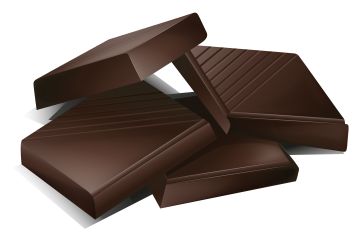
Stay away from sugary milk chocolate bars and snack on dark chocolate instead. Dark chocolate has more antioxidants, which will improve the luminosity of your skin. Dark chocolate can even be used as a topical treatment for your skin since the caffeine content will reduce puffiness.

Processed Foods – Bad

Fast food, soft drinks, candy, crisps, canned food, frozen dinners–forget having a better complexion if that’s all your eating. The sugar and salt levels in these foods are more than your body may need. Your blood sugar levels will spike and cause your hormones to go in disarray, resulting in excessive oil production, clogged pores and faster aging of the skin.

Soy – Good

Soy-based products can be your new best friend if you’re suffering from hyperpigmentation. According to experts, the minerals and proteins in soy can reduce the patchiness of your skin. Try snacking on cup of edamame a day and see the results for yourself.

Caffeine – Bad

If there first thing you sip is your morning cup of coffee, you could be preventing your skin from being more radiant and plump than it should be. When you wake up, your skin is thirsty–for H2O! Chug a glass of water instead to keep you and your skin properly hydrated.